
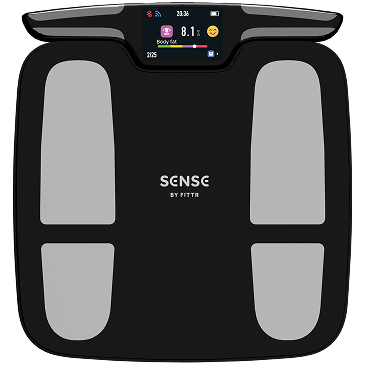




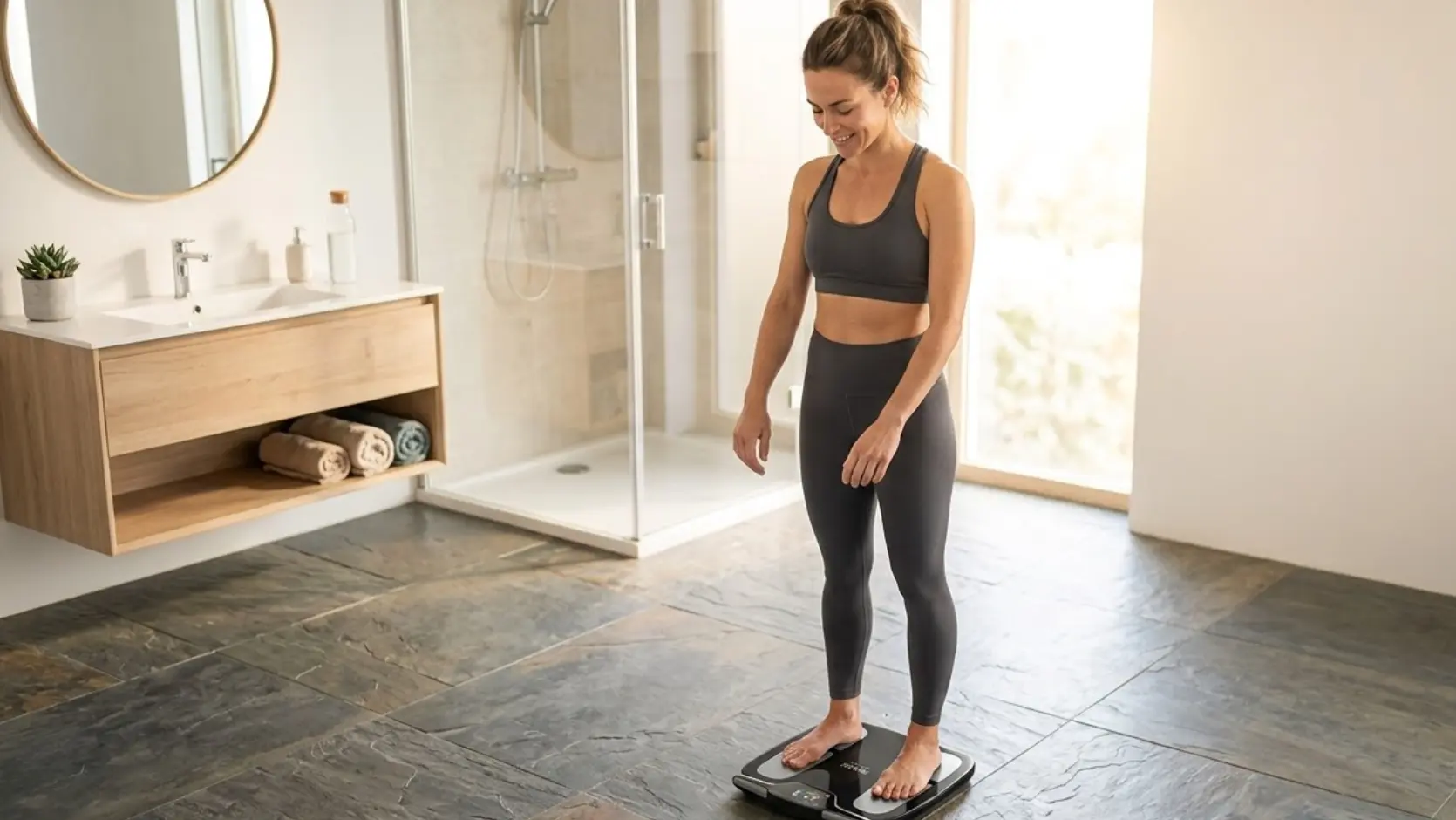
Body testing used to mean a trip to a clinic or lab, but a modern smart scale now brings a meaningful version of that testing directly into your bathroom. It won’t match a hospital-grade device exactly, but it gives you genuinely useful, repeatable body analysis you can track over weeks and months without leaving home. This guide explains exactly what a home smart scale measures during body testing, how accurate that body composition test data really is, and how to get the most reliable results from a device you already own or are considering buying.
The Technology Behind Home Body Testing
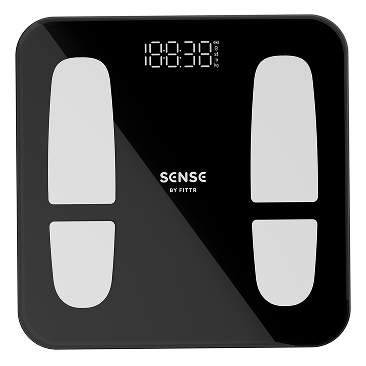
Home body testing relies on bioelectrical impedance analysis, or BIA – a safe, low-level electrical current that passes through your body via metal electrodes built into the scale’s platform. Because different tissues conduct electricity differently, the scale measures resistance and uses it to estimate what portion of your weight is fat, muscle, and water. This is the same fundamental technology used in some clinical body analysis devices, just implemented in a simpler, more affordable, consumer-friendly form.
What a Home Body Composition Test Actually Measures
A typical smart scale’s body composition test reports several figures beyond simple weight: body fat percentage, skeletal muscle mass, water percentage, and sometimes bone mass and a visceral fat rating. Together these give a genuinely fuller picture of your body than weight alone ever could. Fat percentage and muscle mass are the two most actionable figures for most fitness goals, while water percentage and bone mass are better treated as background context.
How Accurate Is Home Body Analysis?
Home body analysis via BIA is an estimate, not a precise measurement, and it’s affected by factors like hydration, recent exercise, and time of day. Compared to a clinical DEXA scan, a home smart scale’s body composition test can be off by a meaningful margin on any single reading. Where home body testing genuinely shines is in tracking trends over time, since the same device under the same conditions gives a consistent enough baseline to reveal direction.
Getting Reliable Results From Home Body Testing
To get the most consistent body composition test results at home, test at the same time of day – ideally first thing in the morning before eating or drinking – and make sure your height, age and gender are entered accurately in your scale’s app, since these directly feed into the BIA calculation. Standing with bare feet fully on the metal electrode plates, rather than on socks or standing at the platform’s edge, is essential for a clean reading.
Body Testing Frequency: How Often Is Useful?
Weekly body testing, under consistent conditions, gives enough data points to reveal a real trend without adding unnecessary daily noise to your results. Testing every single day is not harmful, but the extra data rarely adds meaningful insight beyond what a weekly check already reveals for most people. For anyone in an active fat-loss or muscle-gain phase, slightly more frequent testing – two or three times a week – can help catch a stalling trend earlier.
Reading Your Body Testing Trend Correctly
The single most important skill in home body testing is reading the trend line rather than obsessing over any individual reading. A single day’s body composition test result can bounce around due to hydration or timing, but a steady multi-week direction in fat percentage or muscle mass is genuinely meaningful data. Most smart scale apps display this trend automatically as a simple line chart.
Home Body Testing vs Professional Assessment
A professional body composition test, using tools like DEXA scans, skinfold callipers in trained hands, or hydrostatic weighing, offers considerably more precision than home BIA testing, but at a real cost – both financial and in terms of convenience, since these aren’t something you do weekly. For ongoing personal tracking, home body testing offers the best practical trade-off.
Who Benefits Most From Home Body Testing
Anyone with a specific fat-loss, muscle-gain, or body recomposition goal benefits meaningfully from home body testing, since it answers the question a simple scale cannot: is your weight changing for the right reasons? Athletes and serious fitness enthusiasts often get the most value from consistent body testing, since their goals frequently depend on the balance between fat loss and muscle preservation or gain.
Common Mistakes in Home Body Testing
A few habits undermine otherwise reliable body testing. Testing at inconsistent times of day introduces variability that has nothing to do with real body changes. Skipping accurate profile setup – wrong height or age entered into the app – skews every subsequent body composition test result calculated from that data.
Body Testing Across Different Life Stages and Goals
Body testing needs to shift depending on where you are in a fitness journey. Beginners often see encouraging early trends in both fat loss and muscle gain simultaneously during the first few months of a new training programme. For older adults, home body testing is particularly valuable for tracking muscle mass specifically, since age-related muscle loss can happen gradually without a corresponding change in total weight.
Combining Home Body Testing With Other Health Markers
Body testing works best as one part of a broader picture rather than the sole measure of progress. Pairing your body composition test trend with measurements like waist circumference, progress photos, or strength gains in training gives a fuller, more resilient view of change than any single metric alone.
Setting Up Your Smart Scale for Reliable Body Testing
Beyond the basics of consistent timing and accurate profile data, a few extra details improve home body testing reliability: avoid testing immediately after intense exercise, when temporary water shifts in muscle tissue can skew composition readings, and avoid testing after a particularly high-sodium meal, which causes temporary water retention unrelated to genuine body changes.
What Body Testing Cannot Tell You
It is worth being equally clear about the limits of home body testing, not just its strengths. A smart scale’s body composition test cannot tell you where on your body fat is being lost or gained, cannot assess bone density with any clinical reliability despite sometimes reporting a bone mass figure, and cannot substitute for a doctor’s evaluation of any genuine health concern. Treating body testing as one useful, repeatable input into a broader picture of your health – rather than a complete diagnostic tool – keeps expectations realistic and prevents over-interpreting numbers the technology was never designed to provide with that level of detail.
Interpreting Body Testing Data Alongside How You Feel
Numbers from home body testing are most useful when read alongside how you actually feel, perform and look, rather than in isolation. A week where body composition data looks flat but your training performance is improving and clothes fit better is not a contradiction to be worried about – it is a reminder that body composition testing captures one dimension of progress among several. Learning to hold the data lightly, as one genuinely useful input rather than the single verdict on whether your effort is working, is what ultimately makes body testing a sustainable long-term habit rather than a source of recurring frustration.
Common Myths About Home Body Testing
A few misconceptions deserve a direct correction.
- Home body testing is not as precise as a clinical DEXA scan, but it is precise enough to reveal your own trend reliably over time.
- A single body composition test result means little on its own; the multi-week trend is what actually matters for tracking progress.
- Home body analysis devices are not inaccurate or unreliable simply because they use estimation rather than direct measurement.
- You do not need to test daily to benefit from home body testing; weekly testing under consistent conditions works well for most people.
- Body testing results can differ between two different smart scales, and this does not mean either device is faulty or broken.
Frequently Asked Questions
How accurate is body testing done at home?
Home body testing via bioelectrical impedance is an estimate, less precise than a clinical DEXA scan, but reliable enough to track your own trend over time.
What does a home body composition test measure?
Typically body fat percentage, muscle mass, water percentage, and sometimes bone mass and visceral fat, alongside your total weight.
How often should I do body testing at home?
Weekly testing under consistent conditions works well for most people; those actively training toward a goal may test two or three times a week.
Why do my body testing results vary day to day?
Hydration, food intake, exercise timing and hormonal factors all affect BIA readings, which is why the trend matters more than any single result.
Is home body analysis as good as a professional assessment?
Not as precise, but far more practical for regular tracking, since professional assessments are costly and inconvenient to repeat often.
Know Your Body, Transform Your Health
Body testing, body analysis, or a body composition test – whichever term brought you here, a home smart scale gives you a genuinely useful, repeatable way to track these numbers without the cost or hassle of a clinic visit every time. To get the most from your results, Fittr’s body fat calculator can help turn your body testing trend into an actual training and nutrition plan.