





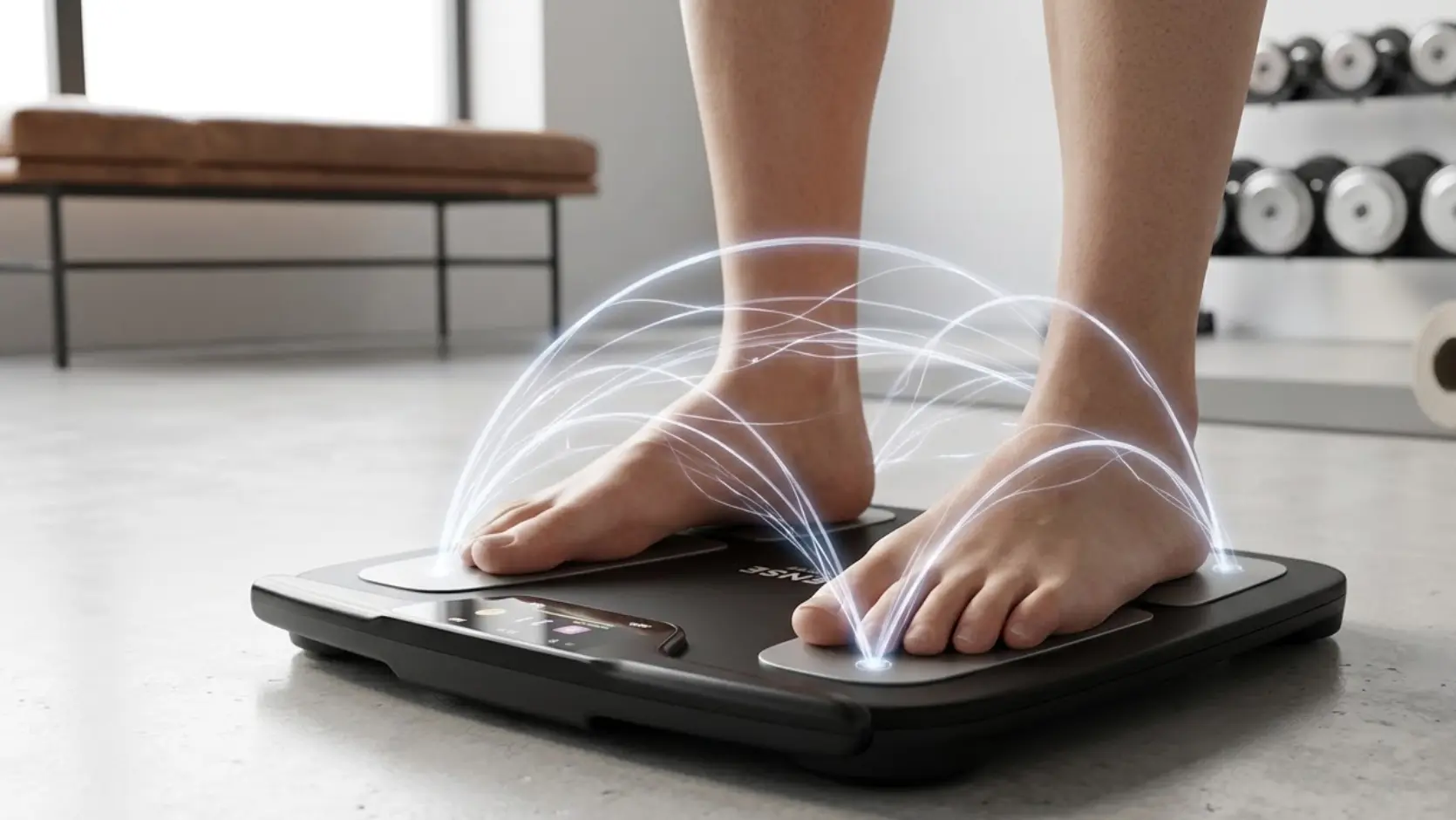
A body composition analysis machine, often called a bca machine or body composition analyser, does something a basic scale cannot: it breaks your total weight down into fat, muscle, water and bone rather than giving you a single undifferentiated number. This guide walks through exactly how a body composition analysis machine measures what it measures, from the electrical principle involved to what the resulting numbers actually mean for your health and fitness tracking.
Bioelectrical Impedance: The Core Technology
Nearly all consumer and many professional bca machine devices use bioelectrical impedance analysis, or BIA. A very small, completely safe electrical current passes through your body via metal electrodes, and because different tissues resist that current differently, the machine can estimate what proportion of your body is fat, muscle, and water. Muscle and water conduct electricity relatively easily, while fat tissue resists the current more.
Single-Frequency vs Multi-Frequency BIA
Not all body composition analysis machine designs are identical under the hood.
Single-Frequency BIA
Basic single-frequency devices send one current frequency through the body and estimate composition from that single data point.
Multi-Frequency BIA
More advanced multi-frequency bca machine models send several different frequencies, which penetrate tissue to different depths and produce more detailed, layered estimates.
What a Body Composition Analyser Actually Reports
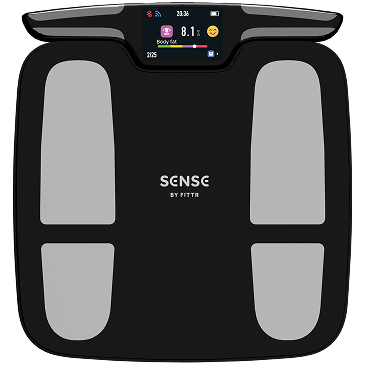
A typical body composition analysis machine reports several distinct figures: body fat percentage, skeletal muscle mass, total body water percentage, and often bone mass and a visceral fat rating. More advanced bca machine units also break these figures down by body segment – arms, legs and trunk separately.
Electrode Placement and Measurement Methods
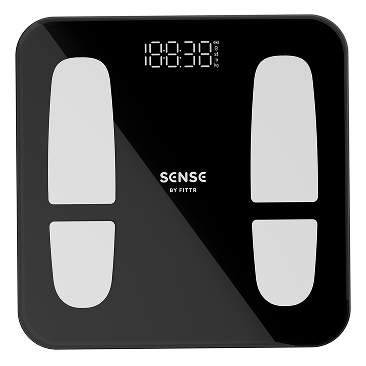
How a body composition analysis machine contacts your body affects both the type and precision of data it can collect. Foot-to-foot devices, like most smart bathroom scales, use only the electrodes in the platform. Hand-to-hand or full hand-to-foot bca machine designs, more common in gyms and clinics, generally produce more detailed and reliable segmental data.
Factors That Affect BIA Accuracy
Because a body composition analyser measures electrical resistance, anything that affects your body’s water content or distribution can skew a single reading. Recent exercise, a large meal, alcohol consumption, and where you are in a menstrual cycle can all shift a bca machine’s estimate on any given day.
Consumer vs Clinical Body Composition Analysers
Consumer Devices
A consumer bca machine, built into a smart bathroom scale, trades some precision for convenience and affordability, using simpler single-frequency BIA and foot-only electrodes.
Clinical and Gym-Grade Devices
A clinical or gym-grade body composition analysis machine typically uses multi-frequency, full-body contact methods and costs considerably more as a result.
Interpreting Your Body Composition Analysis Results
The single most important principle when using any body composition analysis machine is reading trends rather than individual readings. Day-to-day fluctuations from hydration and food intake are normal, while a consistent multi-week direction genuinely does reflect real change.
Choosing a Body Composition Analysis Machine
For home use, prioritise a body composition analyser with reliable four-point foot electrodes, a well-reviewed companion app for trend tracking, and accurate profile setup for height, age and gender.
The History and Evolution of BIA Technology
Bioelectrical impedance technology has existed in clinical and research settings since the mid-twentieth century, but it only became affordable and compact enough for consumer body composition analysis machine products in recent decades as sensor and processing costs dropped considerably.
How Manufacturers Calibrate a Body Composition Analyser
Behind every body composition analysis machine sits a proprietary formula, developed and calibrated by the manufacturer using reference data from populations measured against gold-standard methods like DEXA scans. This calibration process is part of why different bca machine brands can produce somewhat different composition estimates for the same person.
Segmental Analysis: A Closer Look
Advanced body composition analysis machine models don’t just report whole-body figures – they break composition down by segment, showing separate estimates for each arm, each leg, and the trunk. This segmental data can reveal genuine muscular imbalances between limbs.
Body Composition Analysis in Medical Contexts
Beyond fitness tracking, a body composition analysis machine has genuine medical applications, helping clinicians monitor conditions like sarcopenia, where muscle mass declines with age or illness, or tracking fluid balance in patients with certain kidney or heart conditions.
Comparing a Body Composition Analyser Against a Simple Scale
It is worth being explicit about what a body composition analysis machine adds over a basic weight-only scale, since the price difference sometimes puzzles first-time buyers. A simple scale answers exactly one question – how much do you weigh – and nothing more. A bca machine answers a genuinely different, more useful question for anyone with a body-composition goal: is that weight fat, muscle or water, and is the balance between them shifting in the direction you want? For someone in a fat-loss phase specifically, this distinction matters enormously, since scale weight alone cannot distinguish a week where you lost two kilograms of fat from one where you lost a kilogram of muscle and a kilogram of water, two outcomes that look identical on a basic scale but mean completely different things for your actual progress.
Building a Consistent Testing Routine
Getting genuinely useful data from any body composition analysis machine depends less on the specific device and more on the consistency of how you use it. Testing at the same time of day, ideally first thing in the morning before eating, drinking or exercising, removes most of the variability that would otherwise make day-to-day comparisons meaningless. Keeping your device profile accurate – correct height, age and gender entered and updated as needed – matters just as much, since these figures feed directly into the underlying BIA calculation every single device uses, and an outdated or incorrect profile will quietly skew every reading calculated from that point forward until you correct it.
Common Myths About Body Composition Analysis Machines
A few misconceptions are worth clearing up.
- A bca machine does not measure fat and muscle directly; it estimates them indirectly from electrical resistance, which is why hydration affects results.
- More expensive body composition analyser models are not automatically wrong for home use; the choice depends on how much precision you actually need.
- A single body composition analysis machine reading is not diagnostic; the trend over weeks is what actually reveals meaningful change.
- Multi-frequency devices are not simply “more accurate” in every sense; they primarily add segmental detail that single-frequency models cannot capture.
- Two different bca machine devices disagreeing on exact numbers does not mean either is broken; each is its own consistent reference point.
Frequently Asked Questions
How does a body composition analysis machine work?
Most use bioelectrical impedance analysis, sending a small safe electrical current through the body and measuring resistance to estimate fat, muscle and water.
What’s the difference between single and multi-frequency BIA?
Multi-frequency devices send several current frequencies for more detailed, segmental data, while single-frequency models give a simpler whole-body estimate.
Is a bca machine accurate?
It’s an estimate rather than a direct measurement, affected by hydration and timing, but reliable enough to track your own trend consistently over time.
What does a body composition analyser typically measure?
Body fat percentage, skeletal muscle mass, water percentage, and often bone mass and visceral fat rating alongside total weight.
Why do my body composition analysis machine results vary day to day?
Hydration, recent exercise, food intake and hormonal factors all affect BIA readings, which is why the trend matters more than any single result.
Know Your Body, Transform Your Journey.
Body composition analysis machine, body composition analyser, or bca machine – all three terms point to the same bioelectrical impedance technology, converting a safe electrical signal into genuinely useful, trackable body composition data over time. To make the most of your readings, Fittr’s body fat calculator can help you turn the trend into an actual training response.