
Why Counting Oats Calories Actually Matters
Oats have a reputation as a “diet food”, which leads many people to assume any amount is fine. In reality, oats calories add up quickly – dry oats are energy-dense, and the milk, fruit, nuts and sweeteners we add can double or triple the total. If your weight is not moving the way you expect, your breakfast bowl is one of the first places to check.
This guide gives you the calories in oats at the serving sizes people actually use – 100g, 50g and 30g – and shows how cooking liquid and toppings change the number. You will also see how to portion oats for fat loss or muscle gain, and how a high-protein oatmeal changes the calorie-to-protein equation.
Oats Calories at a Glance
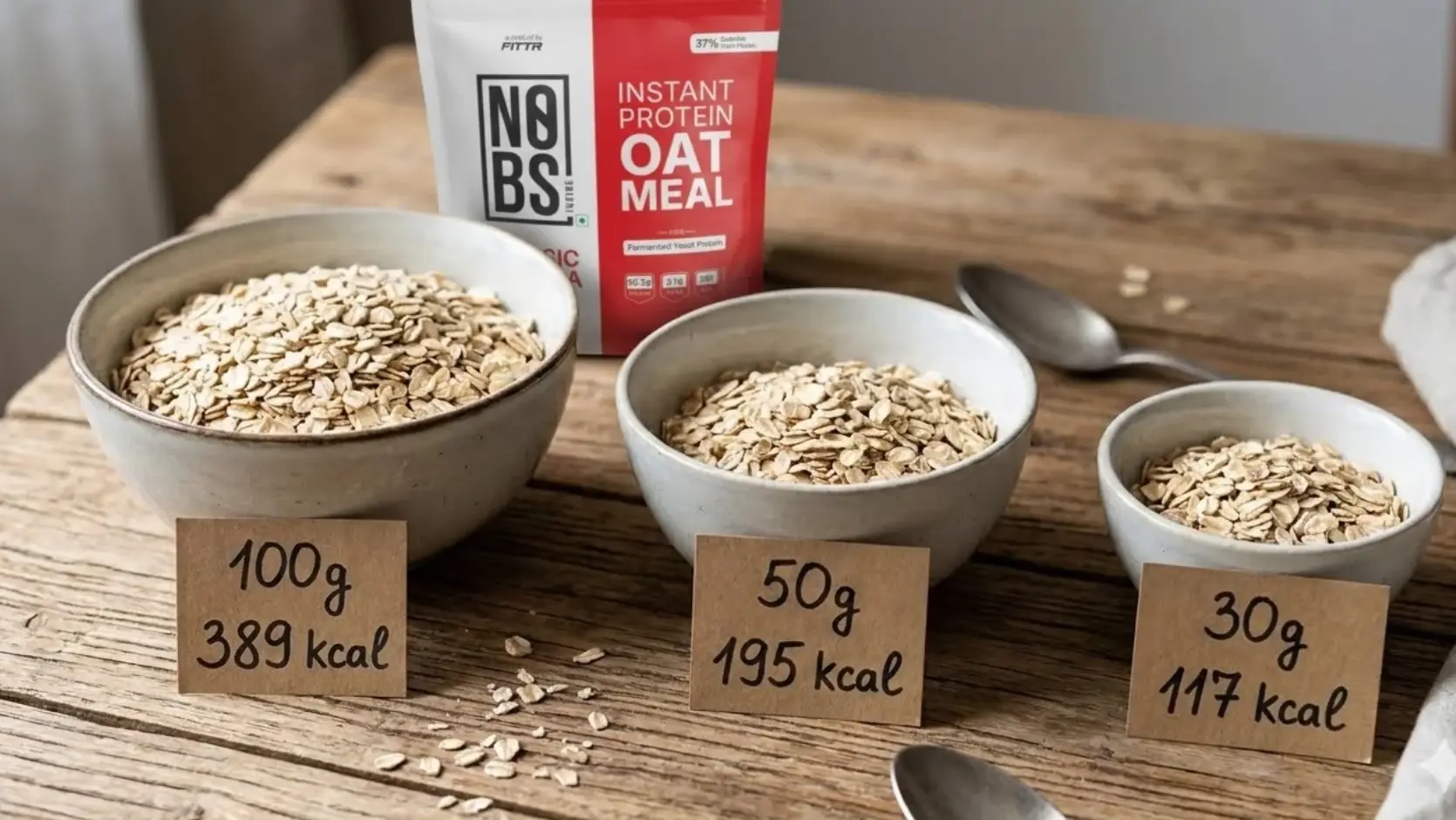
Here are the calories in plain dry rolled oats, using standard food-composition values. Indian brand labels usually show 370-390 kcal per 100g, so expect small differences between packs.
| Serving (dry) | Calories | Protein | Carbs | Fiber | Fat |
| 100 g | 389 kcal | 16.9 g | 66.3 g | 10.6 g | 6.9 g |
| 50 g | 195 kcal | 8.5 g | 33.2 g | 5.3 g | 3.5 g |
| 40 g | 156 kcal | 6.8 g | 26.5 g | 4.2 g | 2.8 g |
| 30 g | 117 kcal | 5.1 g | 19.9 g | 3.2 g | 2.1 g |
Always weigh oats dry. Cooked oats absorb water and swell to two or three times their weight, so “100g of cooked oats” contains far fewer calories than 100g of dry oats.
100g Oats Calories: The Reference Number
The calories in oats per 100g – about 389 kcal – is the figure printed on most nutrition labels and used in tracking apps. It is a useful reference, but 100g is a large portion for one sitting. That much dry oats makes roughly two to three standard bowls.
When a 100 gm Oats Serving Makes Sense
A 100 gm oats portion can suit people with very high calorie needs, such as athletes in heavy training or someone on a structured bulk. For most adults trying to lose fat or maintain weight, 100g of oats calories in one meal is more than needed. For a full nutrient breakdown at this size, read our guide to 100g oats nutrition.
50g Oats Calories: The Most Common Serving
At 195 kcal, a 50 gm oats serving is the portion many nutrition plans use as a standard breakfast. It gives 8.5g of protein and over 5g of fiber, which is enough to feel like a proper meal once you add a protein source.
Who 50g Suits Best
- Active adults maintaining weight.
- People on a moderate fat-loss plan who train regularly.
- Anyone who finds 30-40g leaves them hungry before lunch.
We cover this portion in depth in 50g oats calories and nutrition.
30 gm Oats Calories: The Light Option
A 30 gm oats serving has about 117 kcal. It works well as a base for overnight oats, a smoothie thickener, or a lighter breakfast paired with eggs or curd. On its own it is unlikely to keep you full for long, so build the rest of the meal around protein.
How Milk, Water and Toppings Change Oats Calories
The oats are rarely the biggest calorie variable. What you cook them in and put on top usually is.
| Bowl (40g oats + …) | Approx. calories | Approx. protein |
| Water only | 156 kcal | 6.8 g |
| 200 ml toned milk | 272 kcal | 13 g |
| 200 ml full cream milk | 332 kcal | 13 g |
| 200 ml unsweetened almond milk | 190 kcal | 8 g |
| Toned milk + 1 banana | 377 kcal | 14 g |
| Toned milk + 1 tbsp peanut butter | 367 kcal | 17 g |
| Toned milk + 1 scoop whey | 392 kcal | 37 g |
Hidden Calories to Watch
- Honey and jaggery: about 20 kcal per teaspoon, and it is easy to use three.
- Nut butter: one heaped tablespoon is closer to 120 kcal than 95.
- Dried fruit and granola toppings: small handfuls add 80-150 kcal.
- Flavoured instant sachets: some include added sugar and oil.
For a full picture of milk-based bowls, see oats with milk calories and benefits.
Calories in Different Types of Oats
Steel-cut, rolled, quick and instant oats all start from the same grain, so calories per gram are almost the same. The difference lies in how quickly they digest. Instant oats break down faster, which can leave you hungry sooner even at the same calorie count. Masala oats and flavoured packs can carry extra sodium, sugar and fat, so compare labels. Our comparison of rolled vs steel cut vs instant oats goes into this further.
Portioning Oats Calories for Your Goal
The “right” oats calories depend on your daily target, not on the oats. Start by finding your maintenance calories with the Fittr BMR calculator, then plan your bowl.
For Fat Loss
Use 30-40g oats, cook in water or toned milk, and add a lean protein (whey, curd, egg whites on the side). Keep sweeteners to cinnamon, cardamom or a few berries. Our guide on how to eat oats for weight loss shares seven practical ways to do this.
For Muscle Gain
Use 60-80g oats with full cream milk, a scoop of protein, banana and nut butter. That bowl can reach 650-750 kcal and 40g protein. See our clean bulking guide with oats.
For Maintenance
A 50g bowl with toned milk and fruit, around 350-400 kcal, suits most active adults.
Getting More Protein Per Calorie
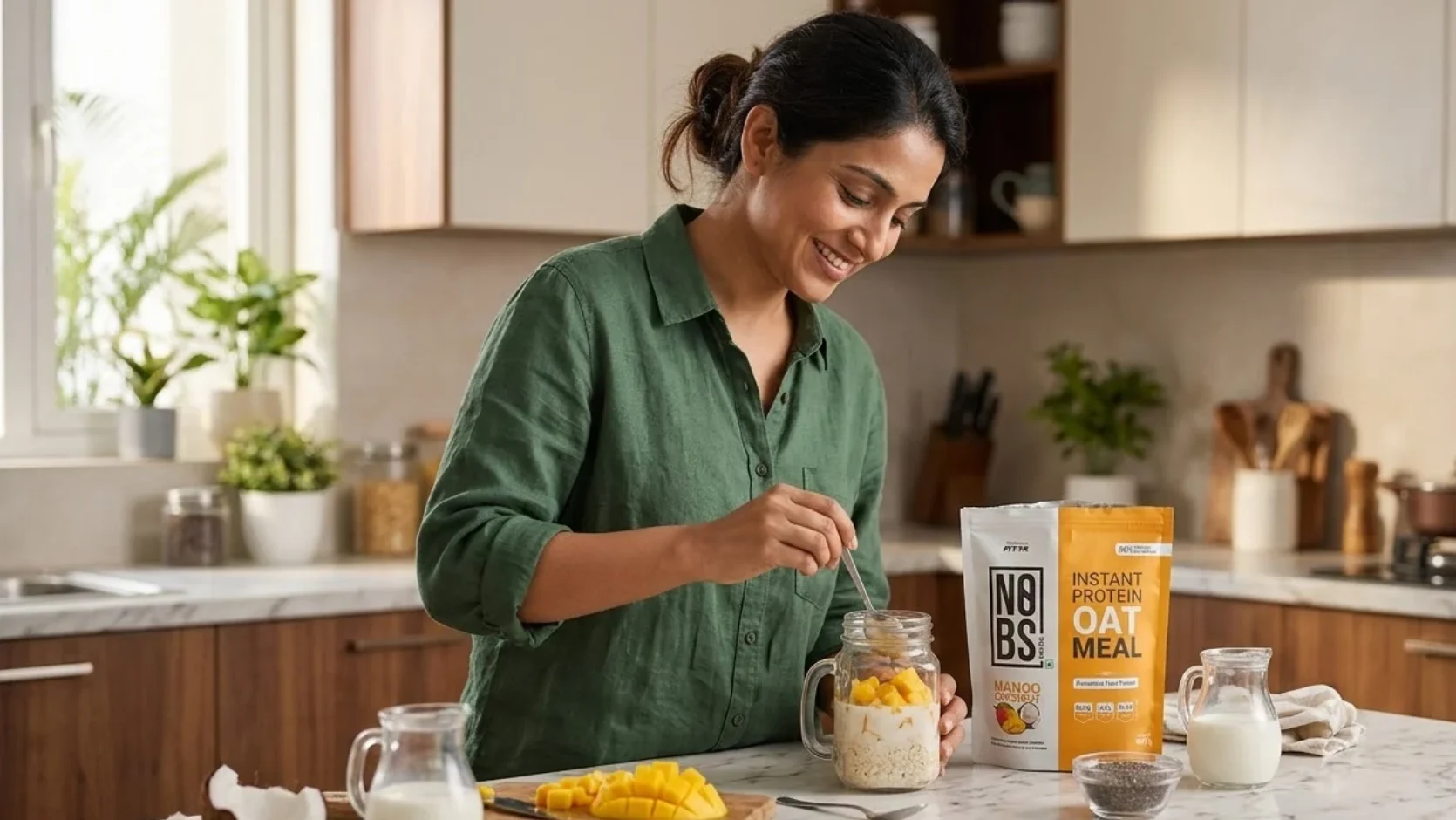
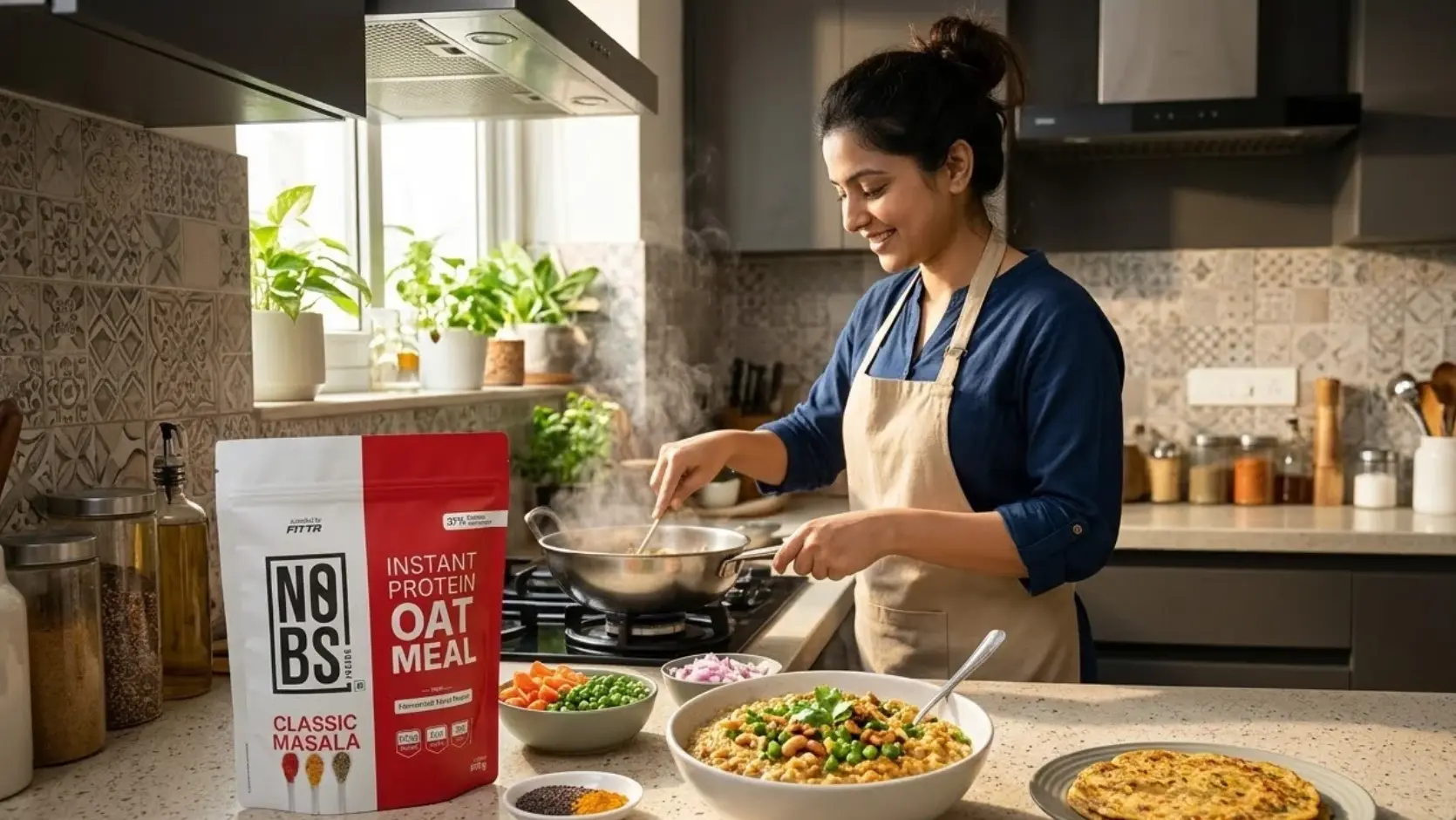
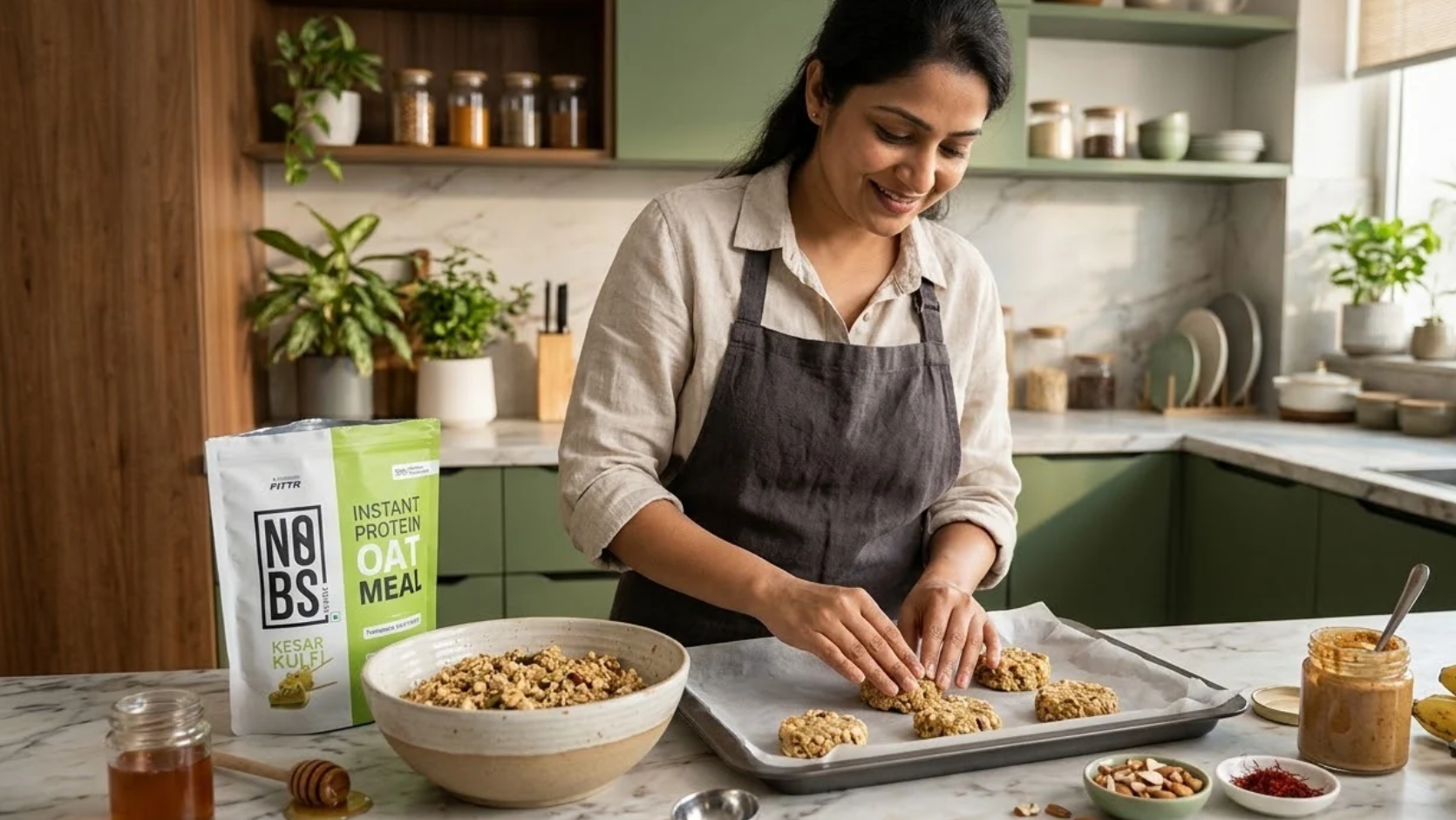
The weak spot in plain oats is protein per calorie: under 7g in a 156 kcal bowl. Adding milk or whey fixes it, but a simpler route is a protein oatmeal. No BS Protein Oats is built for maximum protein per calorie, with 26-32g of complete yeast protein per serving, no preservatives and no dairy. The Mango Coconut flavour works well for sweet bowls.
Tracking Calories Without Obsessing
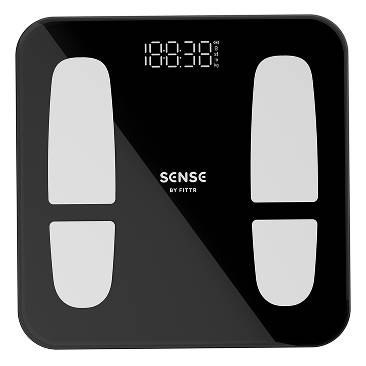
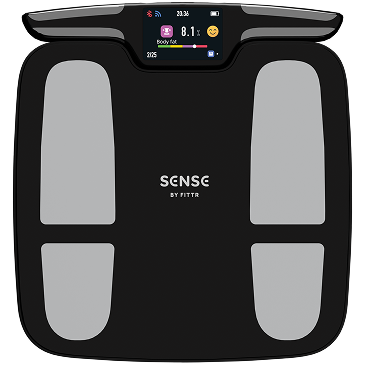
Weigh your oats dry for the first two weeks until you can eyeball portions accurately. Then check the result, not just the input: a weekly weigh-in trend on a body composition scale like the SENSE Smart Scale tells you whether your oats calories are landing in the right range for your goal.
Oats Calories vs Other Indian Breakfasts
How do oats calories compare with what most Indian homes already eat in the morning? The figures below are approximate for a typical home-style plate and will vary with oil, portion and recipe.
| Breakfast (typical serving) | Approx. calories | What to know |
| 40 g oats + 200 ml toned milk | ~272 kcal | Whole grain, ~13 g protein, high fiber |
| 1 plate poha (~150 g cooked) | ~250-270 kcal | Light, but lower in protein and fiber |
| 2 idlis with sambar | ~200-250 kcal | Fermented and light; protein is modest |
| 1 plate rava upma | ~250-300 kcal | Refined semolina, less fiber than oats |
| 2 aloo parathas with butter | ~500-600 kcal | Calorie-dense, easy to overeat |
| 30 g cornflakes + 150 ml toned milk | ~200 kcal | Fast-digesting, often sweetened |
What the Comparison Shows
Oats are not dramatically lower in calories than poha or idli. Their advantage is what comes with those calories: more fiber, more protein and slower digestion, which usually means fewer cravings before lunch.
Measuring Oats Without a Food Scale
A kitchen scale is the most accurate way to track oats calories, but you can get close with everyday measures.
Handy Conversions
- 1 tablespoon of dry rolled oats weighs about 6-7 g (roughly 25 kcal).
- 30 gm oats is about 4-5 level tablespoons (about 117 kcal).
- 50g oats is about 7-8 level tablespoons, or a little over half a cup (about 195 kcal).
- 1 standard cup of dry rolled oats weighs about 80-90 g (roughly 310-350 kcal).
Level the spoon rather than heaping it. A heaped tablespoon can be nearly double the weight, which quietly adds 100-150 kcal to a bowl. If you track for a few weeks with a scale first, your eye becomes surprisingly accurate.
Common Mistakes When Counting Oats Calories
Small Errors That Add Up
- Logging cooked oats as if they were dry – 100 gm oats calories always refers to the dry weight.
- Forgetting the milk, which can add 120-180 kcal depending on the type.
- Pouring honey, jaggery or nut butter without measuring.
- Using the calorie figure from one brand for a flavoured pack from another.
- Counting the oats but not the second helping.
Fix these and your oats calories estimate will be close enough to guide real progress.
The Bottom Line
Oats calories are simple once you weigh them dry: about 389 kcal per 100g, 195 kcal per 50g and 117 kcal per 30g. The bigger swings come from milk and toppings, which can push a bowl from 150 to over 500 kcal.
Pick your portion based on your goal, add a protein source to every bowl, and keep an eye on sweeteners and nut butters. Do that and oats become an easy, predictable part of your daily calorie budget.
Frequently Asked Questions
How many calories are in 100g of oats?
100g of dry rolled oats has about 389 kcal. Indian brand labels typically show 370-390 kcal per 100g depending on the variety.
How many calories are in 50g of oats?
50g of dry oats contains about 195 kcal, 8.5g protein, 33g carbs and 5.3g fiber, before adding milk or toppings.
How many calories are in 30 gm oats?
A 30g serving of dry oats has roughly 117 kcal and 5g protein, making it a light base for overnight oats or smoothies.
Do cooked oats have fewer calories than dry oats?
Per 100g weight, yes, because cooked oats absorb water. The total calories in your bowl do not change; only the weight does. Always weigh oats dry for accuracy.
How many calories are in oats with milk?
40g of oats cooked in 200ml toned milk has about 272 kcal and 13g protein. Full cream milk raises it to around 330 kcal.
Are oats good for weight loss despite their calories?
Yes. Oats are filling for their calories thanks to fiber and beta-glucan. Keep the portion to 30-40g and add protein to make them work well for fat loss.
Every Calorie Counts Towards Your Goal
Oats calories, 100g oats calories, 50g oats calories or calories in oats per 100g – whichever way you search, the rule is the same: weigh dry, watch the toppings and build in protein.
Make that last step effortless with No BS Protein Oats, or grab the combo pack and keep your breakfast on track all month.