




Everything You Need to Know About a Body Composition Analyser
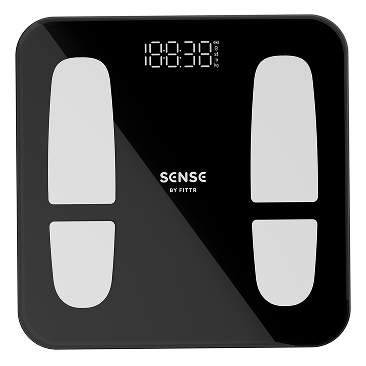
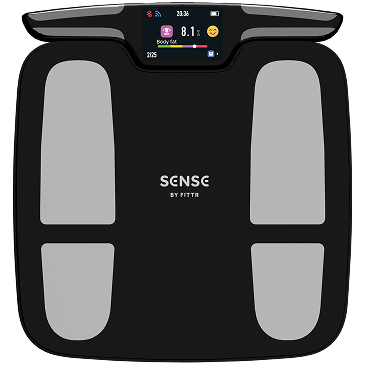
A body composition analyser gives you far more than a simple weight reading – it breaks your weight down into fat, muscle, water and bone, revealing what a basic scale never could. This complete guide covers everything from the underlying technology to choosing and using a body composition analysis machine effectively. Whether you’re considering your first bca machine or trying to get more value from one you already own, this guide walks through the full picture, from how the technology works to how to interpret and act on your results.
The Technology: Bioelectrical Impedance Explained
Nearly every consumer body composition analyser relies on bioelectrical impedance analysis, sending a small, completely safe electrical current through your body and measuring how much resistance it meets. Fat, muscle and water conduct electricity differently, and that difference is what a bca machine measures to estimate your composition. This technology has existed in clinical settings for decades but only became affordable and compact enough for everyday consumer devices in recent years, bringing what was once specialised clinical measurement into an ordinary household bathroom scale at a genuinely accessible price.
What a Body Composition Analysis Machine Reports
A typical body composition analyser reports body fat percentage, skeletal muscle mass, and body water percentage as its core figures, with more advanced bca machine models adding bone mass and a visceral fat rating for a fuller, more detailed picture of your overall health beyond simple weight. Understanding each figure’s role matters: fat percentage and muscle mass are the two most actionable numbers for most fitness goals, while water percentage and bone mass are better treated as background context rather than figures to fixate on from one day to the next.
Single vs Multi-Frequency Body Composition Analysers
Single-Frequency Analysers
Basic body composition analyser designs use a single current frequency and estimate composition from that single data point.
Multi-Frequency Analysers
More advanced multi-frequency bca machine models send several different frequencies, penetrating tissue to different depths and producing more detailed, segmental estimates by body region. Multi-frequency devices generally offer more precise data, including separate estimates for each limb and the trunk, which is why they’re more common in gyms and clinics than in basic consumer smart scales built primarily for simple home tracking.
Accuracy: What to Realistically Expect
A body composition analysis machine’s readings are estimates, not lab-precise measurements, affected by hydration, recent exercise, and timing relative to your last meal. A single reading can shift meaningfully based on these temporary factors, sometimes more than people initially expect from a health device. Where a body composition analyser genuinely excels is tracking your own trend over time – testing under consistent conditions reveals whether your fat percentage and muscle mass are moving in the right direction, even if any single day’s absolute numbers aren’t perfectly precise in isolation.
Choosing the Right Body Composition Analyser for Home Use
For home use, prioritise a body composition analyser with reliable four-point foot electrodes, a well-reviewed companion app for trend tracking, and straightforward profile setup for height, age and gender, since these details directly feed into the underlying calculation regardless of the specific bca machine chosen. Multi-user recognition matters considerably if more than one household member will use the same device, ensuring everyone’s body composition analysis machine data stays properly separated within the shared app rather than becoming a confusing mixed history.
Setting Up Your Analyser for Reliable Results
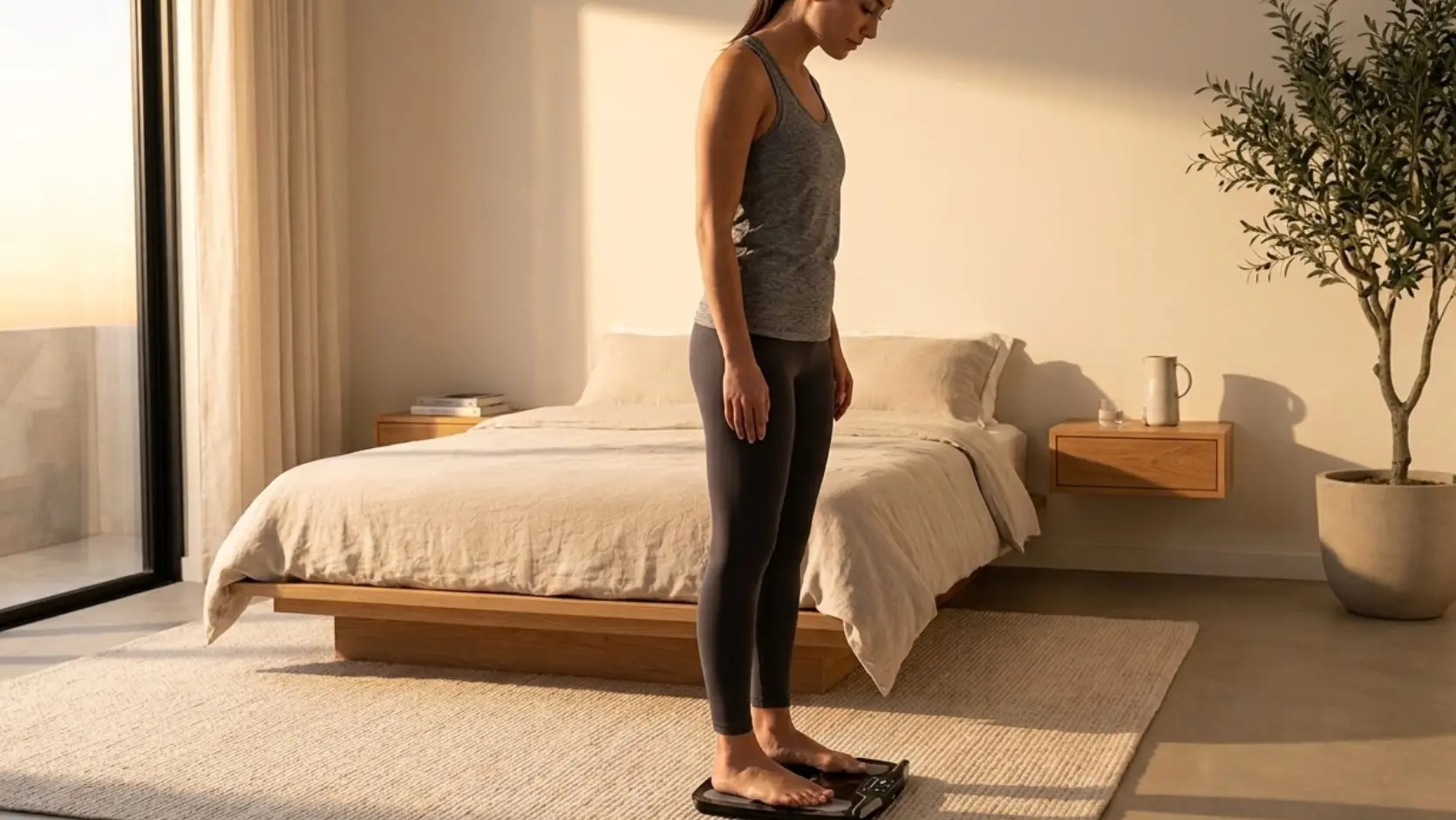
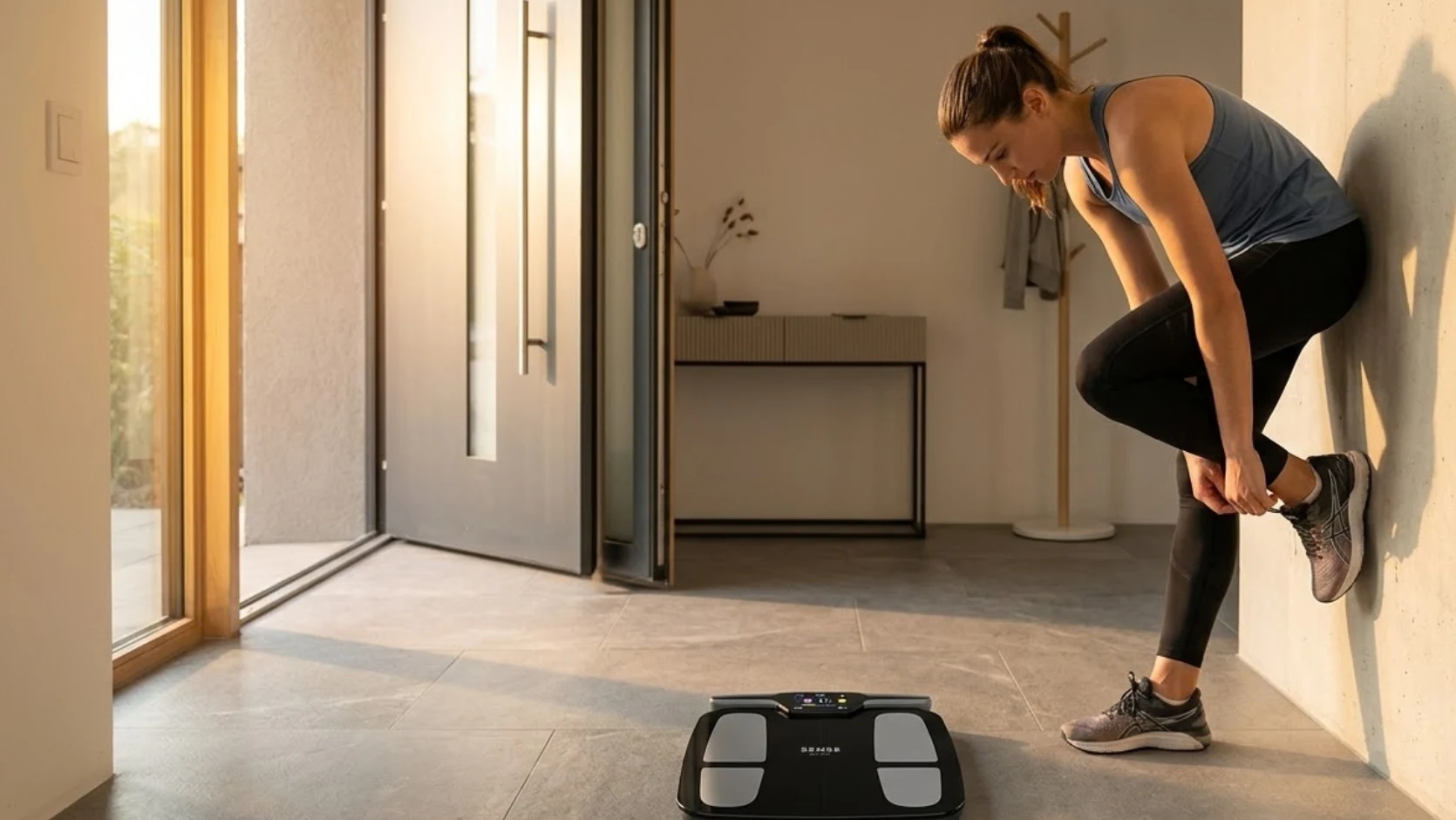
Test at a consistent time, ideally first thing in the morning before eating or drinking, and ensure bare feet make full contact with the electrode plates rather than standing on socks or at the platform’s edge. These setup details matter as much as the bca machine’s own quality for getting consistent results. Enter accurate profile data – correct height, age and gender – since inaccurate information feeds directly into the underlying bioelectrical impedance calculation and can meaningfully skew every subsequent reading your body composition analyser produces until the information is corrected.
Reading Your Results the Right Way
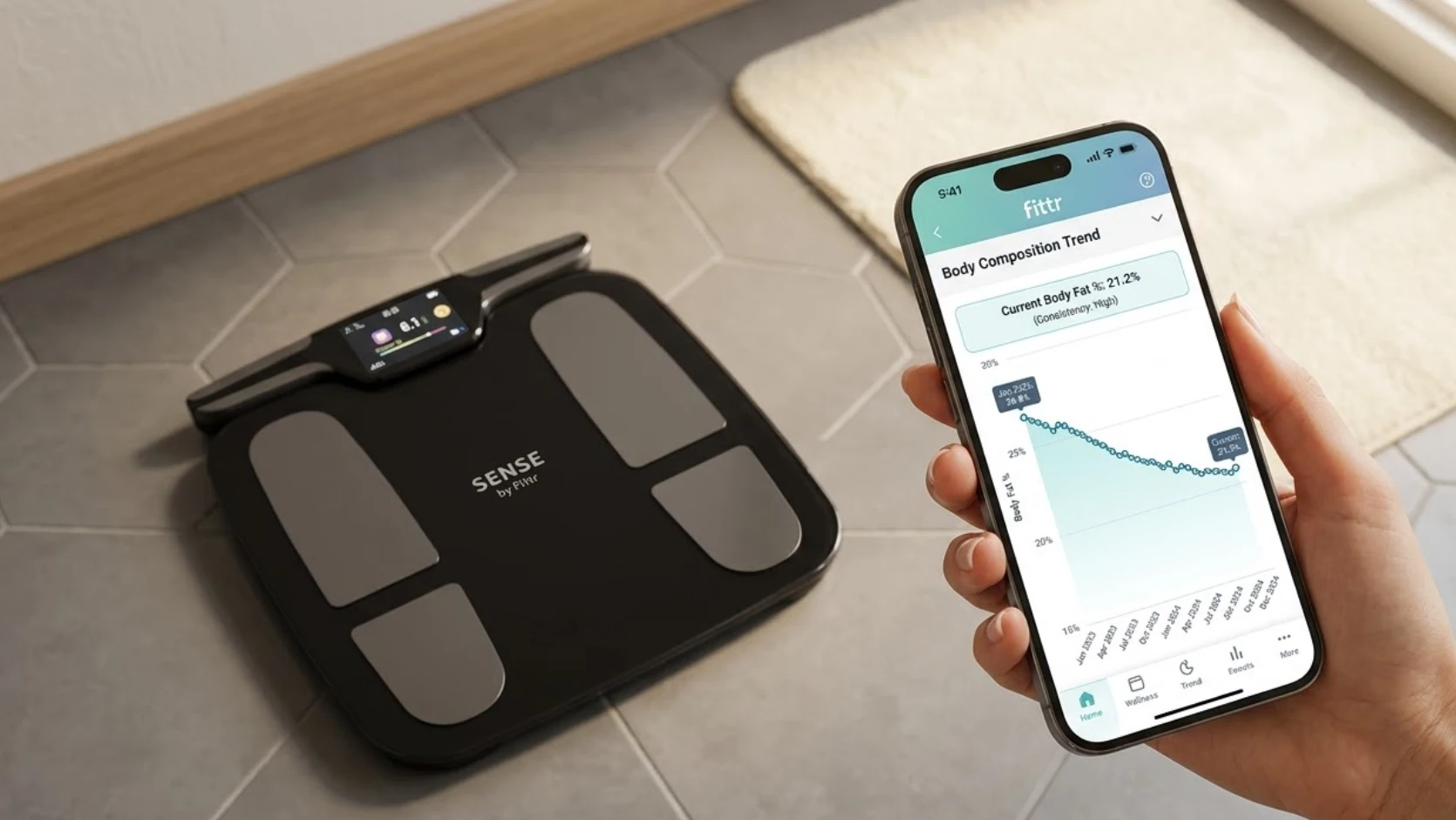
The single most important skill with any body composition analysis machine is reading the trend rather than any individual session’s numbers. A steady multi-week direction in fat percentage or muscle mass is genuinely meaningful, while day-to-day fluctuation almost always reflects normal biological noise instead. Most bca machine companion apps display this trend automatically through a simple line chart, and learning to trust that chart over any single reading is what turns a body composition analyser from a confusing source of daily numbers into a genuinely useful long-term tracking tool.
Home vs Clinical or Gym-Grade Analysers
Home Devices
A home body composition analyser trades some precision for convenience and affordability, using simpler single-frequency technology and foot-only electrodes.
Clinical or Gym-Grade Devices
A clinical or gym-grade body composition analysis machine typically uses multi-frequency, full-body contact methods and costs considerably more as a result. For most people, combining regular home tracking with periodic gym or clinical bca machine sessions offers the best of both worlds – convenient, frequent trend data at home, alongside more detailed, precise check-ins on a less frequent basis when genuinely useful.
Common Mistakes to Avoid
A few habits undermine otherwise reliable body composition analyser use: testing at inconsistent times of day, entering inaccurate profile data, reacting emotionally to single-session fluctuations rather than the broader trend, and expecting lab-grade precision from a consumer-tier bca machine. Avoiding these common mistakes, more than upgrading to a more expensive device, is usually what actually improves how useful your body composition analysis machine data becomes for guiding real training and nutrition decisions over time.
The History Behind Today’s Body Composition Analysers
Bioelectrical impedance technology dates back to mid-twentieth century clinical research, but only became compact and affordable enough for consumer body composition analyser products in recent decades as sensor and processing costs dropped considerably. Early devices were bulky and largely confined to hospitals and research settings. Today’s consumer bca machine, built into an ordinary bathroom scale, represents a genuine democratisation of technology once available only to elite athletes or medical patients, bringing meaningfully useful body composition tracking into ordinary households at an accessible price point most buyers can reasonably afford.
Segmental Analysis and What It Reveals
Advanced body composition analysis machine models don’t just report whole-body figures – they break composition down by segment, showing separate estimates for each arm, leg, and the trunk. This segmental data can reveal genuine muscular imbalances between limbs that a single whole-body number would never surface. For anyone working with a coach or physiotherapist, segmental bca machine data can be genuinely useful for identifying areas needing targeted attention.
Whether from an old injury or a natural asymmetry, this kind of imbalance is worth addressing through deliberate unilateral training over time.
Integrating Your Analyser Into a Broader Health Routine
A body composition analyser delivers the most value when its data feeds into a broader routine rather than existing in isolation. Many apps allow exporting data or syncing with training logs and nutrition tracking, creating a more complete picture of how your training and diet are genuinely affecting your body over time. Checking your bca machine readings weekly against your training log – noting whether muscle mass holds steady during a cut or rises during a bulk – turns the device from a standalone gadget into a genuinely integrated part of a structured, goal-driven fitness plan rather than an isolated curiosity you check occasionally.
Common Myths About Body Composition Analysers
A few misconceptions are worth clearing up.
- A body composition analyser doesn’t measure fat directly; it estimates it indirectly through electrical resistance, which is why hydration affects results.
- More expensive bca machine models aren’t automatically wrong for home use; the right choice depends on how much precision you genuinely need.
- A single body composition analysis machine reading isn’t diagnostic; the multi-week trend is what actually reveals meaningful change.
- Two different body composition analyser devices disagreeing on exact numbers doesn’t mean either is broken; each is its own reference point.
- Multi-frequency devices aren’t simply “more accurate” in every sense; they primarily add segmental detail that single-frequency models can’t capture.
The Bottom Line
A body composition analyser, whether called a bca machine or body composition analysis machine, relies on bioelectrical impedance to reveal what a simple scale never could – the genuine makeup of your weight across fat, muscle, water and bone. Choose a device that matches your actual needs, set it up correctly, and read your results as consistent, trackable trends rather than lab-precise diagnoses, and your body composition analyser will earn its place as one of the more genuinely useful tools in your health and fitness routine.
Frequently Asked Questions
How does a body composition analyser work?
Most use bioelectrical impedance analysis, sending a small safe electrical current through the body and measuring resistance to estimate composition.
What’s the difference between a bca machine and a body composition analysis machine?
These terms are used interchangeably, both referring to the same core bioelectrical impedance technology and function.
Is a home body composition analyser accurate?
It’s an estimate affected by hydration and timing, but reliable enough to track your own trend consistently when tested under similar conditions.
How often should I use a body composition analyser?
Weekly testing under consistent conditions works well for most people; those actively training may test two or three times weekly.
Should I choose single or multi-frequency for home use?
Single-frequency is generally sufficient for home tracking; multi-frequency suits those wanting detailed segmental data, more common in gyms and clinics.
Know Your Body. Transform Your Results
Body composition analyser, body composition analysis machine, or bca machine – all point to the same bioelectrical impedance technology, turning a safe electrical signal into genuinely useful, trackable health data. To make the most of your results, Fittr’s body fat calculator and nutrition articles can help you build a real plan around what your analyser reveals.