






Rethinking the Analog Weight Scale in a Digital World
It would be easy to assume an analog weight scale has no place in a world of smart, connected digital devices, but that assumption misses several genuine, practical scenarios where an analog scale or mechanical scale still makes real sense today, even alongside far more advanced digital alternatives. This guide focuses specifically on those scenarios – not as a nostalgic case for mechanical weighing, but as a genuinely practical look at where the trade-offs of an analog weight scale actually work in your favour rather than against you.
The Scenarios
Scenario One: A Reliable No-Battery Backup
An analog weight scale never needs a battery, making it an excellent backup option kept alongside a primary digital scale for situations where you’d rather not deal with a dead battery at an inconvenient moment. This is one of the clearest, most practical cases for keeping a mechanical scale on hand. Unlike a digital device that becomes completely unusable the moment its battery dies, an analog scale is always ready, regardless of how long it’s been sitting unused, making it a genuinely sensible insurance policy against the rare but real inconvenience of a dead digital scale battery.
Scenario Two: Environments With Limited Battery Access
In settings where battery replacement is genuinely inconvenient – remote areas, certain travel situations, or simply households that consistently run out of spare batteries – an analog weight scale removes this dependency entirely. This isn’t a common situation for most households, but it’s a real one for some. For anyone in this specific circumstance, the mechanical simplicity of an analog scale offers a genuine practical advantage that no digital alternative, however feature-rich, can fully replicate without requiring some form of power source.
Scenario Three: A Preference for Mechanical Interfaces
Some people simply prefer the tactile, mechanical experience of a needle and dial over a digital numeric display, finding it less visually cluttered or more intuitive to read at a glance. This is a legitimate personal preference, not a step backward, provided it genuinely suits how you want to interact with your scale. For this group, an analog weight scale isn’t a compromise but an active choice, and there’s no meaningful downside to choosing mechanical simplicity if digital’s additional features – body composition tracking, app connectivity – simply aren’t things you’d ever use anyway.
Scenario Four: Budget-Conscious First-Time Buyers
A basic analog scale is sometimes available at a genuinely lower upfront cost than an equivalent digital alternative, making it a reasonable entry point for anyone who just wants simple weight tracking without investing in additional features they may not yet know if they’ll use. That said, this price gap has narrowed considerably in recent years as basic digital scales have become more affordable, so this scenario applies less broadly today than it did in the past, though it can still be relevant in certain budget-constrained purchasing situations.
Scenario Five: Households Prioritising Environmental Impact
An analog weight scale generates less electronic waste over its lifetime than a digital equivalent, since there are no batteries to dispose of and no circuit boards involved in its construction. For environmentally conscious households, this is a genuine, if secondary, consideration worth factoring in. This scenario matters most in a genuinely close decision between a basic mechanical scale and a similarly basic digital alternative, where environmental impact can reasonably serve as a tiebreaker when other practical factors are otherwise fairly evenly matched between the two options.
When an Analog Scale Doesn’t Make Sense
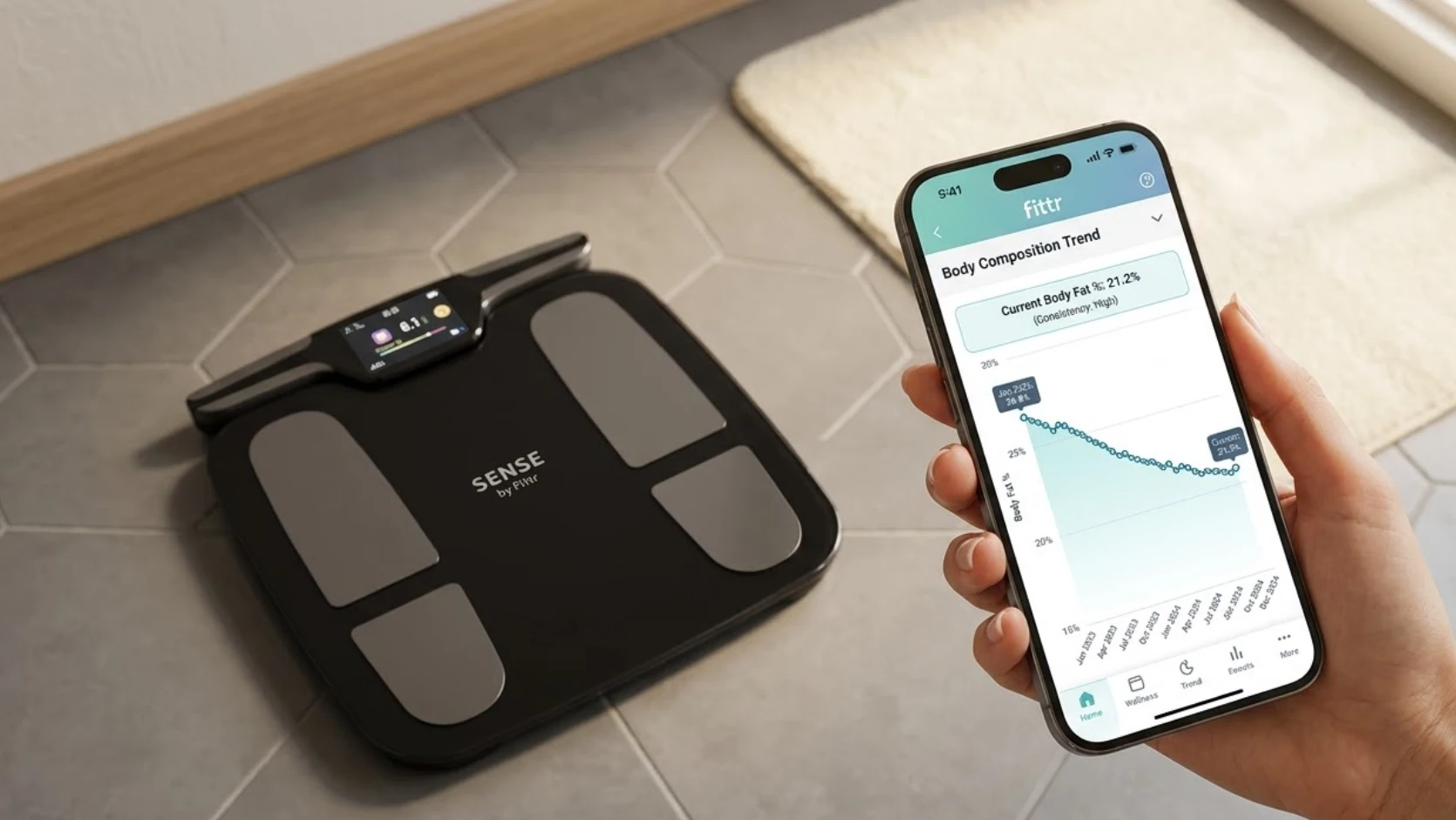
Despite these genuine use cases, an analog weight scale falls short for anyone wanting body composition tracking, precise trend monitoring, app connectivity, or multi-user recognition – features only a digital scale can provide, regardless of how well-built the mechanical alternative might be. For most households with a specific fitness goal beyond simple weight monitoring, these limitations make digital the clearly better practical choice, reserving analog for the specific scenarios covered above rather than as a general-purpose recommendation for most buyers today.
Choosing a Quality Mechanical Scale If You Go Analog
If one of the scenarios above genuinely applies to you, prioritise a balance-beam design over a basic spring mechanism within the analog scale category, since balance beams generally hold their calibration accuracy longer than springs, which weaken and drift more noticeably with years of regular use. A sturdy platform and a large, clearly marked dial also matter considerably for a mechanical scale, since cheaper analog designs are more prone to both imprecise dials and faster calibration drift than a well-made option from a reputable brand.
Maintaining an Analog Scale for Longevity
An analog weight scale still benefits from basic care to stay accurate: use it on a hard, flat surface for consistent readings, avoid dropping or overloading it beyond rated capacity, and store it flat rather than propped on its side, which can stress the internal spring or beam mechanism over time. Periodically checking that the needle returns cleanly to zero when unweighted is a simple troubleshooting step that reveals whether your mechanical scale’s calibration has genuinely drifted, prompting either an adjustment if your specific model supports it or eventual replacement if it doesn’t.
Scenario Six: Gifting to Someone Who Prefers Simplicity
An analog weight scale can be a thoughtful, low-maintenance gift for someone who has expressed a preference for simple, no-fuss devices over connected technology, particularly older recipients who may find digital displays or app pairing genuinely more frustrating than helpful in daily use. This scenario is worth considering specifically when you know the recipient’s preferences well, since giving an analog scale to someone who would actually benefit more from body composition tracking or app connectivity misses an opportunity to give something genuinely more useful for their specific goals.
Combining Analog and Digital in One Household
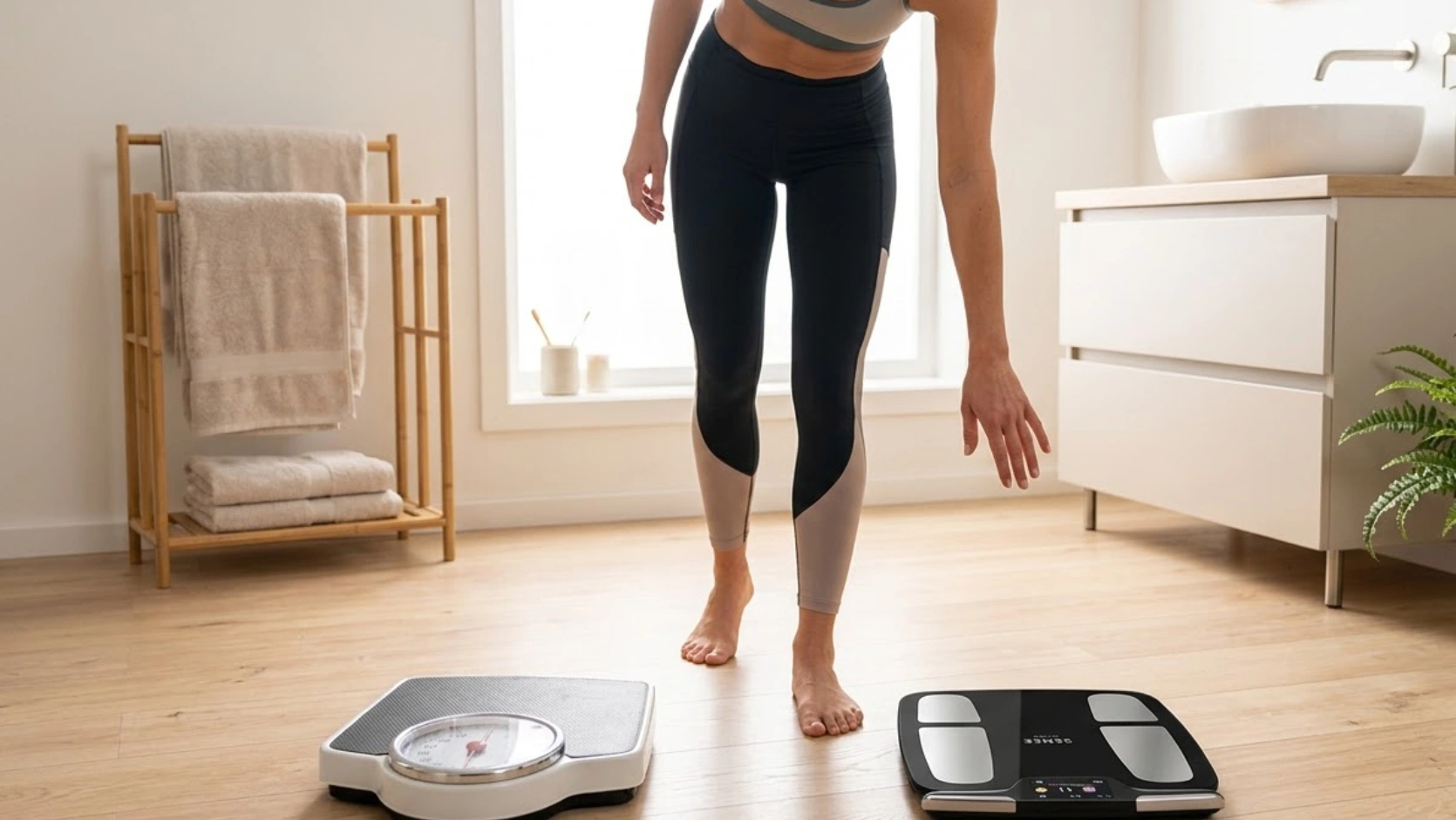
Some households genuinely benefit from keeping both an analog weight scale and a digital alternative, using the mechanical scale as a simple, always-ready backup and the digital scale as the primary tool for detailed, trackable data. This hybrid approach isn’t necessary for most people but offers genuine peace of mind for some. If you do keep both, remember they’ll rarely match exactly, since each has its own calibration – designate one as your primary tracking device and treat the other purely as an occasional backup, rather than expecting the two to serve as directly comparable data sources for the same tracking purpose.
Making a Confident Analog vs Digital Decision
Ultimately, deciding whether an analog scale genuinely makes sense for you comes down to honestly weighing your own priorities: do you value mechanical simplicity and zero battery dependency more than precise, trackable body composition data? There’s no universally correct answer, only the one that fits your actual needs. Working through the specific scenarios covered in this guide, rather than defaulting to whichever option seems more modern or more traditional, is the most reliable way to make a genuinely informed decision between an analog weight scale and its digital alternative for your particular situation.
Common Myths About Analog Scales
A few misconceptions deserve a direct correction.
- An analog weight scale isn’t automatically less trustworthy than digital; it simply trades some precision for genuine mechanical simplicity.
- Choosing an analog scale over digital isn’t a step backward if it genuinely matches your actual priorities and use case.
- A mechanical scale doesn’t need less maintenance overall; it needs different maintenance, mainly periodic calibration checks.
- Not every analog scale is equally imprecise; balance-beam designs generally outperform basic spring mechanisms in accuracy retention.
- Price gaps between analog and digital have narrowed considerably, making cost alone a less compelling reason to choose analog today.
The Bottom Line
An analog weight scale still makes genuine sense in specific scenarios – as a no-battery backup, in limited battery-access environments, for those who simply prefer a mechanical interface, or for environmentally conscious buyers making a close decision between similarly basic options. Outside these specific situations, a digital scale generally offers clearer practical advantages, so the right choice comes down to honestly assessing which of these mechanical scale scenarios, if any, genuinely applies to your own household and priorities.
Frequently Asked Questions
When does an analog weight scale still make sense today?
As a no-battery backup, in environments with limited battery access, or for users who genuinely prefer a mechanical interface over digital.
Is an analog scale cheaper than a digital one?
Sometimes, though, the price gap has narrowed considerably as basic digital scales have become more affordable in recent years.
Which analog scale design holds accuracy best?
Balance-beam designs generally hold calibration longer than basic spring mechanisms within the mechanical scale category.
Can an analog weight scale track body composition?
No, only digital scales with bioelectrical impedance sensors can estimate body composition alongside total weight.
How do I maintain an analog scale for accuracy?
Use it on a hard, flat surface, avoid overloading it, store it flat, and periodically check that the needle returns cleanly to zero.
Healthy Habits Begin Today
Analog weight scale, analog scale, or a simple mechanical scale – each genuinely earns its place in specific scenarios, even as digital options dominate most everyday buying decisions today. If body composition and tracking matter to your goals, Fittr’s body fat calculator and exercise articles can help you decide if it’s time to move to digital instead.