



Why Use 100g as the Reference for Oats
Nutrition labels, food databases and diet apps all list foods per 100g. That makes 100g the easiest number for comparing oats with other breakfast staples like poha, dalia or cornflakes. Knowing the 100g oats calories and macros lets you read any label quickly and scale to your own serving.
This page is a quick-reference guide: the full 100 gram oats nutrition profile, how it changes across oat types, and how oats stack up against other Indian breakfast grains. If you want to understand what each nutrient does, our complete oats nutrition guide goes deeper; here we focus on the numbers.
100g Oats Calories and Macros
For 100g of dry rolled oats, standard food-composition data shows:
| Nutrient | Per 100g dry rolled oats | Share of calories |
| Calories | 389 kcal | – |
| Carbohydrates | 66.3 g | ~68% |
| Protein | 16.9 g | ~17% |
| Fat | 6.9 g | ~16% |
| Dietary fiber | 10.6 g | – |
| Net carbs | ~56 g | – |
| Sugars | ~1 g | – |
| Beta-glucan | ~3-5 g | – |
So 100g of oats calories come to about 389 kcal. Most Indian oats packs list 370-390 kcal and 12-14g protein per 100g, because varieties and testing methods differ. Use the label on your pack if you track closely.
Cooked vs Dry: A Common Tracking Mistake
The 100 gm oats calories figure above is for dry oats. Oats absorb roughly two to three times their weight in liquid, so 100g of cooked oatmeal (made with water) contains only around 70-80 kcal. Always log oats by dry weight to avoid big errors.
100g Oats Nutrition: Vitamins and Minerals
Oats are one of the more mineral-rich grains. Per 100g dry:
| Micronutrient | Amount |
| Phosphorus | 523 mg |
| Magnesium | 177 mg |
| Iron | 4.7 mg |
| Zinc | 4 mg |
| Manganese | 4.9 mg |
| Thiamin (B1) | 0.76 mg |
These numbers make oats a useful contributor to magnesium and iron intake, especially for vegetarians. Iron from grains is better absorbed when eaten with a vitamin C source, such as fruit or lemon in savoury oats.
Does the Type of Oats Change 100g Nutrition?
Steel-cut, rolled, quick and instant oats all come from the same whole oat groat, so their oats 100g calories and macros are very close. The main difference is how quickly they digest.
| Type (per 100g dry) | Calories | Protein | Fiber | Typical GI |
| Steel-cut | ~380-390 kcal | ~13-17 g | ~10 g | ~52-55 (low) |
| Rolled | ~389 kcal | ~13-17 g | ~10 g | ~55-59 |
| Quick | ~380-390 kcal | ~13-16 g | ~9-10 g | ~65-66 |
| Plain instant | ~370-390 kcal | ~12-14 g | ~9-10 g | ~79-83 |
| Flavoured/masala instant | ~380-420 kcal | ~9-12 g | ~7-9 g | varies |
Flavoured packs can add sugar, salt and oil, which pushes calories up and protein down per 100g. Read our comparison of rolled vs steel cut vs instant oats and the guide to the oats glycemic index for more.
100g Oats vs Other Indian Breakfast Grains
How do oats compare with what most Indian households already eat for breakfast? Here are approximate values per 100g dry (raw) weight from standard food-composition tables. Brands and varieties vary.
| Per 100g (dry) | Calories | Protein | Carbs | Fiber | Fat |
| Rolled oats | 389 kcal | 16.9 g | 66.3 g | 10.6 g | 6.9 g |
| Dalia (broken wheat) | ~342 kcal | ~12 g | ~76 g | ~12 g | ~1.3 g |
| Poha (flattened rice) | ~346 kcal | ~6.6 g | ~77 g | ~1-2 g | ~1.2 g |
| White rice (raw) | ~365 kcal | ~7 g | ~80 g | ~1.3 g | ~0.7 g |
| Wheat flakes | ~350-370 kcal | ~10 g | ~75-80 g | ~8-10 g | ~2 g |
| Cornflakes | ~357 kcal | ~7.5 g | ~84 g | ~3 g | ~0.4 g |
| Ragi flour | ~330 kcal | ~7.3 g | ~72 g | ~11 g | ~1.3 g |
| Quinoa | ~368 kcal | ~14 g | ~64 g | ~7 g | ~6 g |
What the Comparison Tells You
- Highest protein of the group: per 100g, oats lead every common grain here, including quinoa.
- Among the highest fiber: only dalia and ragi come close, and oats add beta-glucan, a soluble fiber the others lack in meaningful amounts.
- Slightly higher calories: oats have more fat than most grains, which pushes 100g calories up a little – but that fat also improves fullness.
- Cornflakes and poha are higher in fast-digesting carbs and much lower in protein and fiber, so they tend to keep you full for a shorter time.
That does not make poha or dalia “bad”. Dalia is an excellent high-fiber grain, and poha with peanuts and vegetables can be a balanced breakfast. Oats simply give you the strongest protein-and-fiber base per 100g.
Scaling 100g Oats Nutrition to Your Serving
Few people eat 100g of oats at once. Use this quick conversion:
| Serving (dry) | Calories | Protein | Fiber |
| 30 g | 117 kcal | 5.1 g | 3.2 g |
| 40 g | 156 kcal | 6.8 g | 4.2 g |
| 50 g | 195 kcal | 8.5 g | 5.3 g |
| 100 g | 389 kcal | 16.9 g | 10.6 g |
For portion advice by goal, read 50g oats calories and the ideal serving. For protein specifically, see our dedicated page on oats protein per 100g.
How to Read an Oats Label Per 100g
Every oats pack in India carries a nutrition panel per 100g, and often per serving too. When comparing brands, look at these lines in order:
- Protein per 100g: higher is better; plain oats sit around 12-17g.
- Total sugars per 100g: plain oats should be under 2g. Flavoured packs above 10g carry added sugar.
- Dietary fiber per 100g: 9-11g is typical for whole oats; lower numbers suggest added flakes or fillers.
- Sodium: plain oats have almost none; masala variants can contain 800mg or more per 100g.
- Ingredient list: the shorter the better. “Rolled oats” alone is ideal.
Comparing labels per 100g, rather than per serving, stops brands from making a product look healthier by shrinking the suggested portion.
When Would You Eat 100g of Oats?
A 100g portion makes sense in a few situations:
- Muscle gain or bulking, split across two meals or as one large post-workout bowl. See high protein oats for weight gain.
- Batch cooking savoury oats, chilla batter or oats dosa for the family.
- Endurance training days with high carbohydrate needs.
For fat loss, 100g of oats in a single meal is usually too much unless the rest of your day is planned around it.
Getting More Protein Per 100 Calories
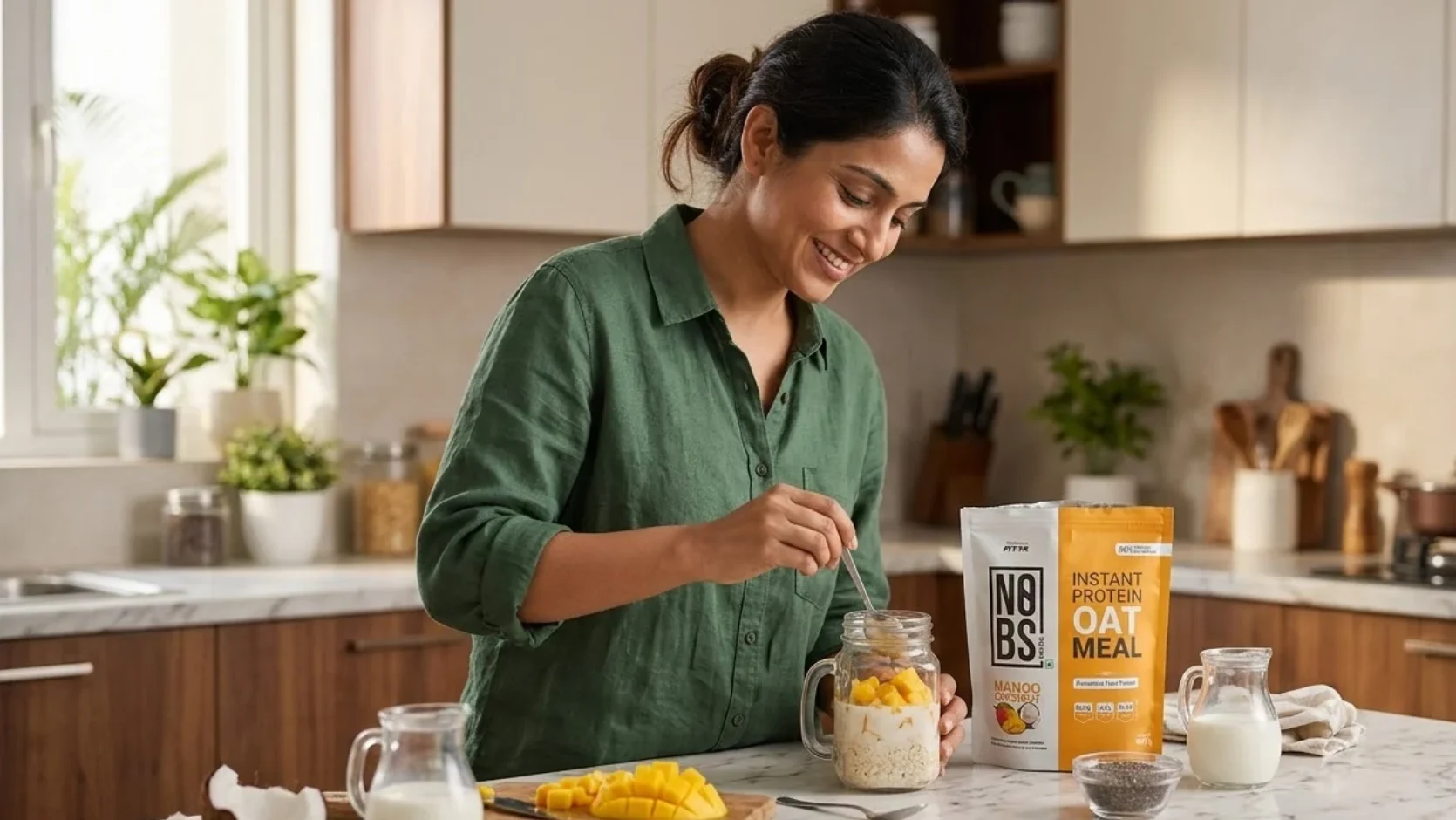
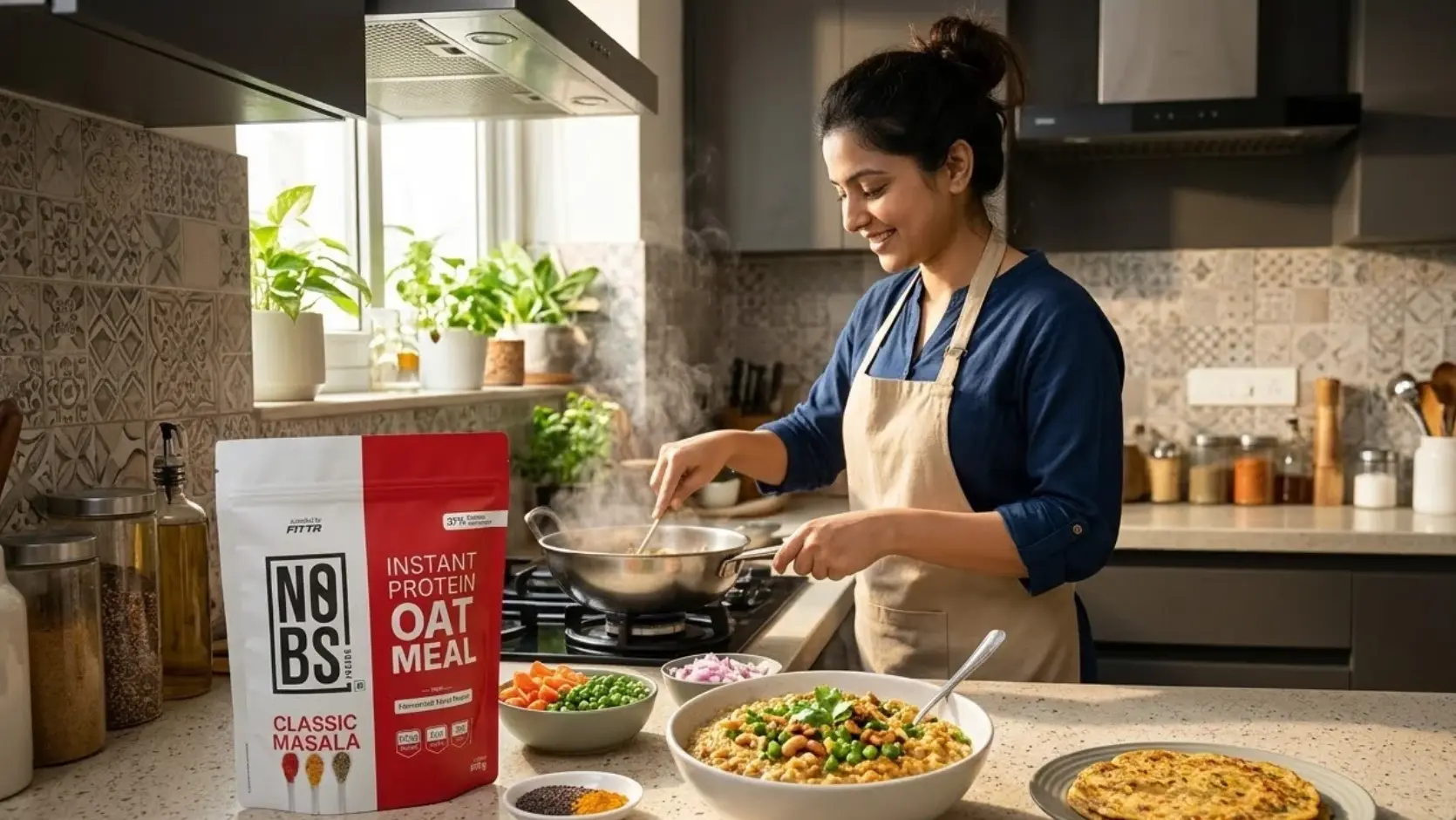
Oats give about 4.3g of protein per 100 kcal. That is good for a grain but low compared with eggs, paneer or whey. If you want your breakfast to deliver more protein per calorie, pair oats with a protein source or use a protein oatmeal. No BS Protein Oats is built for maximum protein per calorie, with 26-32g of complete yeast protein per serving and no preservatives or empty fillers.
Use the Fittr macro calculator to see how many grams of protein your breakfast should provide.
Keep the Numbers Honest
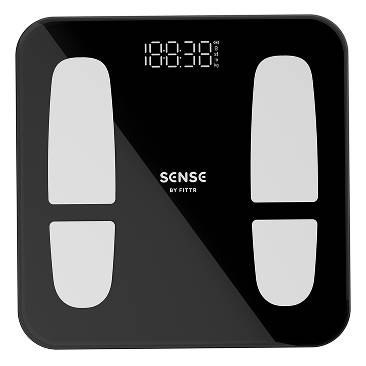
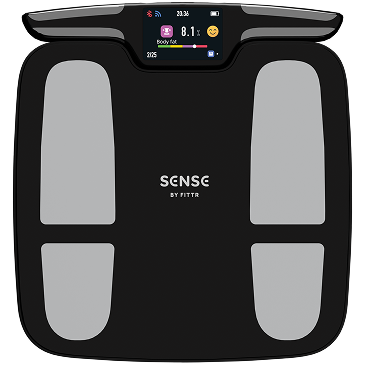
Tracking oats by dry weight and logging what you add is the easiest way to keep your nutrition accurate. Pair it with regular check-ins on a body composition scale to see how your intake translates into fat and muscle changes over time.
100g Oats Nutrition by Goal
The same 100g of oats nutrition reads differently depending on what you are trying to achieve. Here is how to use the per-100g reference for three common goals.
Weight Loss
At 389 kcal, a full 100g is more than most people need in one sitting during a calorie deficit. Split it into two 50g meals, or use 30-40g per bowl and fill the rest with vegetables, curd or protein. The 10.6g of fiber per 100g is the main advantage here, because it helps meals feel more filling. For more ideas, see how to eat oats for weight loss.
Muscle Gain
For a lean bulk, 100g of oats across the day is a practical, affordable carbohydrate base. The 16.9g of protein is a useful start, but you will still need dairy, eggs, pulses or a protein supplement to reach a daily target of roughly 1.6-2.2g of protein per kg of body weight.
Blood Sugar Management
Per 100g, oats carry about 66g of carbs, so portion size matters more than the label “healthy”. Smaller servings of rolled or steel-cut oats, paired with protein and fat, keep the glycemic load lower. Our oats glycemic index guide explains this in detail.
100g Oats Nutrition Myths vs Facts
Per-100g numbers are often quoted out of context. A few clarifications help.
What the Numbers Do and Do Not Say
- Myth: 100g of oats is one bowl. Fact: a typical bowl uses 40-50g dry, so one bowl is roughly half the per-100g figures.
- Myth: 389 kcal makes oats fattening. Fact: calories per 100g describe energy density, not weight gain. Total daily intake is what matters.
- Myth: Protein-wise, oats equal pulses. Fact: 16.9g per 100g is good for a grain, but dals and soy usually provide more protein per 100g dry and complement oats well.
- Myth: All brands share identical 100g values. Fact: Indian labels often show 370-390 kcal and 12-14g protein, so always check the pack.
A Day Using 100g of Oats
Spreading 100g across meals is an easy way to get the fiber and beta-glucan benefits without a heavy single serving.
Example Split
| Meal | Oats used | Example dish |
| Breakfast | 40g | Oats cooked in toned milk with fruit |
| Evening snack | 30g | Oats chilla with besan and vegetables |
| Dinner | 30g | Vegetable oats khichdi with moong dal |
| Total | 100g | ~389 kcal and ~17g protein from oats |
The Bottom Line
100g of dry rolled oats provides about 389 kcal, 16.9g protein, 66.3g carbohydrates, 10.6g fiber and 6.9g fat, along with useful phosphorus, magnesium, iron and zinc. Compared with poha, rice, cornflakes and even dalia, oats offer more protein and soluble fiber per 100g.
Use 100g as your reference, scale it to your real serving, track by dry weight, and pair oats with protein to get the most from every bowl.
Frequently Asked Questions
How many calories are in 100g of oats?
100g of dry rolled oats has about 389 kcal. Indian brand labels typically show 370-390 kcal per 100g.
How much protein is in 100g of oats?
About 16.9g per 100g dry according to standard food data, though many Indian packs list 12-14g depending on variety.
How many calories are in 100g of cooked oats?
100g of oats cooked in water contains roughly 70-80 kcal, because cooked oats are mostly water. Always track oats by dry weight.
Are oats better than poha for breakfast?
Per 100g, oats have more than twice the protein and much more fiber than poha. Poha can still be balanced when cooked with peanuts and vegetables.
Is 100g of oats too much in one meal?
For fat loss it is usually too much. For muscle gain, endurance training or split across two meals, 100g can fit well.
How much fiber is in 100g of oats?
Plain dry rolled oats provide about 10.6g of fiber per 100g, including roughly 3-5g of beta-glucan, the soluble fiber linked to better cholesterol and steadier blood sugar.
One Reference, Every Serving
100g oats calories, 100 gm oats nutrition or 100 gram oats nutrition – whichever way you search, oats lead the breakfast grains on protein and fiber per 100g.
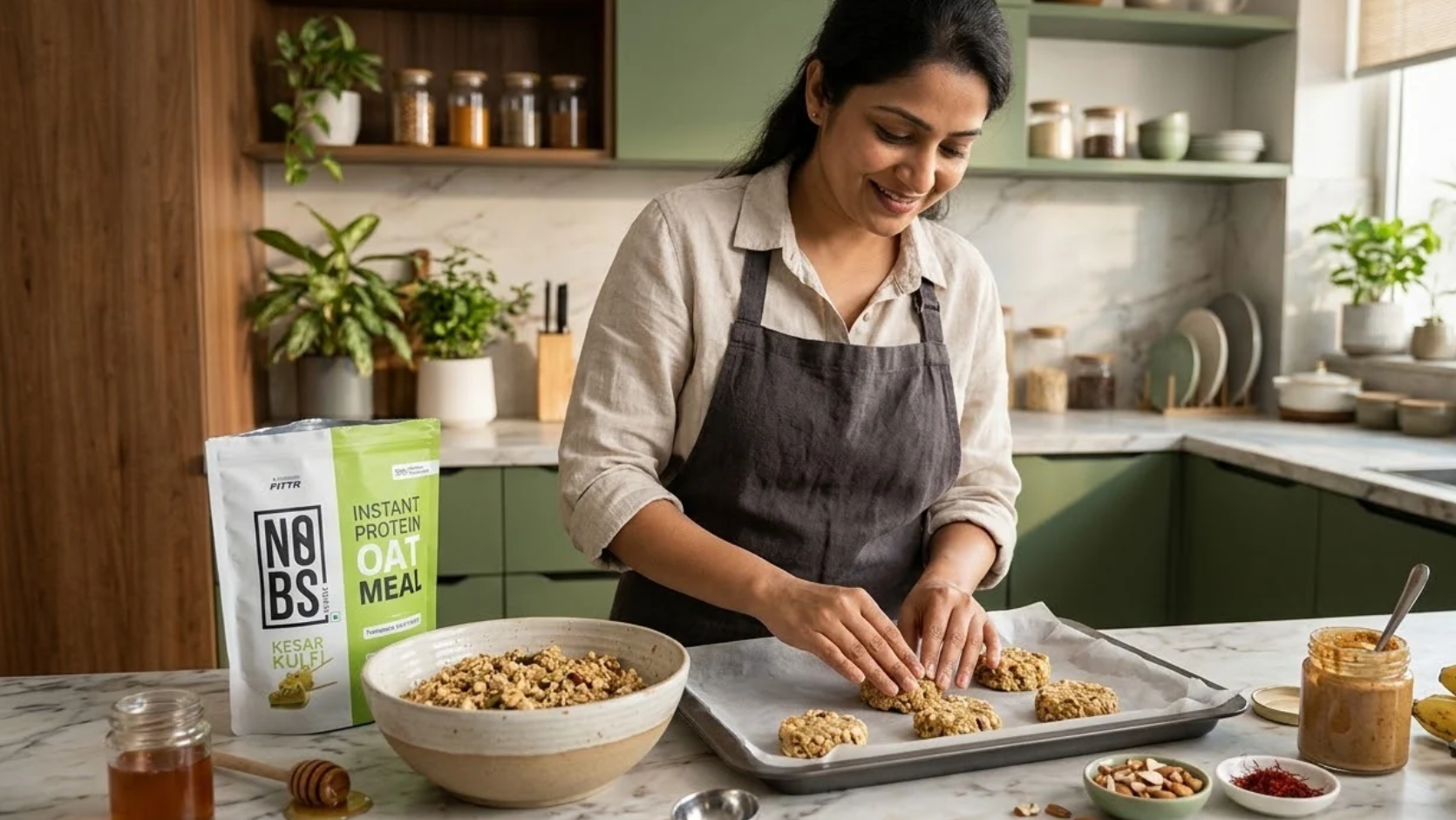
Get even more protein per calorie with No BS Protein Oats, available in Kesar Kulfi and more flavours.