



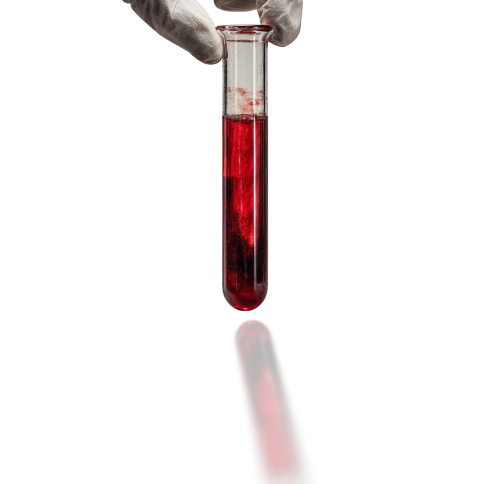

A baseline blood test before starting a diet or fitness plan shows what’s happening inside your body before you change anything. Blood sugar, thyroid function, cholesterol, iron and vitamin levels all influence energy, recovery, fat loss and how your body responds to food. Knowing them upfront helps you set targets that are safe, realistic and personalised.
This guide explains why baseline bloodwork matters, which tests are most useful, how results can shape your nutrition and training, and when to retest.
Why Baseline Bloodwork Matters?
Most people start a diet by tracking weight on a scale. Weight shows the outcome, but not the underlying cause. Two people following the same calorie deficit can get very different results because of factors a scale can’t see:
- Undiagnosed conditions are common. India’s ICMR-INDIAB study (2023) found prediabetes in 15.3% of adults and abnormal cholesterol in 81.2%. Most people with these conditions have no symptoms.
- Thyroid problems often go unnoticed. A study across eight Indian cities found hypothyroidism in 10.95% of adults, and about a third of those cases were previously undetected. It was roughly three times more common in women than in men.
- Nutrient deficiencies affect training. Low iron, Vitamin D or Vitamin B12 can cause fatigue, poor recovery and low motivation. These are easy to mistake for a lack of discipline.
A baseline test turns guesswork into data. It also gives you a clear reference point to measure real progress against, beyond body weight.
Key Blood Tests to Do Before Starting
Blood Sugar: Fasting Glucose and HbA1c
Fasting glucose shows your blood sugar at one point in time. HbA1c reflects your average blood sugar over about three months. Together, they identify prediabetes or diabetes, which directly affects how carbohydrates should be planned in your diet.
Lipid Profile
This measures total cholesterol, LDL, HDL and triglycerides. High triglycerides are often linked to excess refined carbs, sugar and alcohol, and they tend to respond well to diet changes. A baseline lipid profile also matters if you plan to try a high-fat approach such as keto.
Thyroid Profile (TSH, T3, T4)
An underactive thyroid can contribute to fatigue, weight gain and slow progress despite consistent effort. Identifying it early means it can be treated, so your diet isn’t working against an untreated hormonal problem.
Complete Blood Count (CBC) and Ferritin
A CBC checks haemoglobin and red blood cells. Ferritin shows your iron stores. Low iron reduces the blood’s oxygen-carrying capacity, which affects stamina and endurance. Ferritin can drop well before haemoglobin does, so it’s worth testing both.
Vitamin D and Vitamin B12
Vitamin D supports bone health, muscle function and immunity. Vitamin B12 supports energy metabolism and nerve health. Deficiencies in both are widespread, and B12 deficiency is especially common in people following vegetarian or vegan diets.
Liver Function Test (LFT)
Raised liver enzymes can indicate fatty liver, which is closely linked to excess abdominal fat and insulin resistance. It’s a useful marker to track as you lose weight.
Kidney Function Test (KFT)
Creatinine, urea and uric acid show how well your kidneys filter waste. A baseline is useful before significantly increasing protein intake or starting supplements.
Optional: Fasting Insulin
Some doctors and nutrition professionals add fasting insulin to assess insulin resistance. This can be especially relevant for people with abdominal weight gain or PCOS.
How Results Shape Your Diet and Training
| Finding | How it can change your plan |
|---|---|
| Prediabetes or high HbA1c | More attention to carbohydrate quality, portion timing and fibre; regular strength training to improve insulin sensitivity |
| High triglycerides | Reduced refined carbs, sugar and alcohol; more omega-3-rich foods |
| High LDL cholesterol | Careful choice of fats, more soluble fibre; caution with very high-fat diets |
| Underactive thyroid | Medical treatment first, with realistic weight-loss expectations |
| Low ferritin or haemoglobin | Iron-rich foods, better absorption strategies, and gradual training load while levels recover |
| Low Vitamin D or B12 | Supplementation, if advised, plus dietary changes |
| Raised liver enzymes | Weight loss, reduced alcohol and sugar, and follow-up testing |
| Abnormal kidney markers | Medical review before increasing protein or starting supplements |
Any abnormal result should be reviewed by a doctor. Blood tests guide a plan; they don’t replace medical advice.
Hidden Blockers to Fat Loss
If you’re eating in a calorie deficit and training regularly but still stuck, a blood test may reveal one of these common blockers:
- An underactive thyroid, which can slow energy expenditure and increase fatigue.
- Insulin resistance, which makes fat loss harder, especially around the waist.
- Iron deficiency, which lowers workout capacity and daily activity levels without you noticing.
- Low Vitamin D, which is associated with poor muscle function and low energy.
When to Retest
- Around 3 months after starting: HbA1c, lipid profile, and any vitamin or iron levels you’re correcting. HbA1c needs about three months to reflect a real change.
- Every 6–12 months: a full baseline panel to track long-term progress.
- Sooner, if symptoms appear: unusual fatigue, dizziness, hair fall or poor recovery.
Retesting shows whether your plan is improving your internal health as well as your weight.
Preparing for Your Baseline Blood Test
- Fast for 8–12 hours overnight if glucose and lipids are included; plain water is allowed.
- Avoid intense exercise for 24 hours beforehand, as hard training can temporarily affect some markers.
- Skip alcohol for at least 24 hours.
- Tell the lab about all supplements and medicines you take.
- Book an early-morning slot to keep your fast comfortable.
Frequently Asked Questions
1. Where can I book a blood test in Pune before starting a diet plan?
You can book a baseline blood test at Fittr Labs in Kharadi, Pune. Fittr Labs offers blood tests covering blood sugar, lipids, thyroid, iron, vitamins, and liver and kidney function, with home sample collection available so you can test before starting your diet or fitness plan.
2. Which blood tests should I do before starting a diet?
The most useful tests before starting a diet are fasting glucose and HbA1c, a lipid profile, a thyroid profile (TSH), a complete blood count, ferritin, Vitamin D, Vitamin B12, and liver and kidney function tests. Together they show metabolic health, hormonal balance and nutrient status.
3. Should I get a blood test before joining a gym?
It’s a smart step, especially if you’re over 30, have a family history of diabetes or heart disease, or haven’t exercised in a long time. A baseline test identifies issues like anaemia, thyroid problems or high blood sugar that can affect how safely and effectively you train.
4. Can a blood test explain why I’m not losing weight?
It can reveal common blockers such as an underactive thyroid, insulin resistance, iron deficiency or low Vitamin D. Weight loss depends on many factors, but ruling these out helps you and your coach or doctor adjust your plan with confidence.
5. Do I need to fast before a baseline blood test?
Yes, if fasting glucose and a lipid profile are included. Fast for 8–12 hours overnight, drinking only plain water. Tests like HbA1c, thyroid, CBC and vitamin levels don’t strictly require fasting, but most people do them in the same morning sample.
6. How soon should I retest after starting a diet?
Retest key markers such as HbA1c, lipids, and any vitamin or iron levels you’re correcting about 3 months after starting. HbA1c reflects roughly three months of blood sugar, so testing earlier won’t show the full effect of your changes.
7. Should I check kidney function before starting a high-protein diet?
It’s a sensible precaution. A kidney function test provides a baseline before significantly increasing protein intake or starting protein supplements. People with existing kidney conditions, diabetes or high blood pressure should consult a doctor before making major dietary changes.
H3 8. Do women with PCOS need different blood tests before a diet?
Women with PCOS often benefit from checking fasting glucose, HbA1c, fasting insulin, lipids and thyroid function, as insulin resistance is common with PCOS. Hormone tests are usually ordered by a gynaecologist or endocrinologist based on symptoms.
9. Can supplements affect blood test results?
Yes. High-dose biotin, often found in hair and nail supplements, can interfere with some lab tests, including thyroid tests. Tell the lab about every supplement you take; your doctor may advise pausing certain supplements for a few days before testing.
10. Can I get baseline blood tests done at home in Pune?
Yes. Fittr Labs offers home sample collection in Pune, so a trained phlebotomist can collect your blood sample at home, ideally in the morning while you’re fasting. Your sample is then processed at the lab.
Starting a new diet or fitness plan? Know your numbers first. Book a baseline blood test with Fittr Labs, Pune, with home sample collection available. [Book a Lab Test]